Athleisure’s Evolution: 4 New Style Elements for 2026
Advertisements
Athleisure is set to redefine casual wear by 2026, integrating advanced sustainable materials, sophisticated tailoring, smart technology, and personalized aesthetics, transforming everyday comfort into elevated fashion statements for the discerning consumer.
The fashion landscape is in constant flux, but few trends have demonstrated the enduring power and adaptability of athleisure. By 2026, Athleisure’s Evolution: How This Trend is Adapting with 4 New Style Elements for 2026 will be evident through its incorporation of innovative materials, refined silhouettes, and a heightened focus on personal expression. This isn’t just about gym wear seeping into daily life; it’s a sophisticated reimagining of comfort and style.
The Rise of Sustainable Performance Fabrics
The foundation of athleisure has always been its fabrics, designed for comfort and functionality. However, as we look towards 2026, the emphasis has dramatically shifted towards sustainability without compromising performance. Consumers are increasingly aware of their environmental footprint, demanding clothing that not only feels good and performs well but also aligns with their values.
This push for eco-conscious choices is driving innovation in textile technology. Brands are investing heavily in research and development to create materials that are both high-performing and environmentally friendly. This includes everything from recycled synthetics to bio-based fibers that offer breathability, moisture-wicking, and durability, all while reducing waste and pollution.
Recycled and Upcycled Materials Leading the Charge
One of the most significant advancements in sustainable athleisure fabrics is the widespread adoption of recycled and upcycled materials. Companies are transforming plastic bottles, fishing nets, and textile waste into high-quality yarns that are then woven into stylish and functional garments.
- Recycled Polyester: Derived from post-consumer plastic, offering durability and moisture-wicking properties.
- Upcycled Cotton: Utilizing textile scraps to create new fibers, reducing water and energy consumption.
- Nylon from Ocean Waste: Repurposing discarded fishing nets into strong, resilient fabrics.
These materials not only divert waste from landfills and oceans but also often require less energy and water to produce compared to virgin materials. The result is a win-win for both the consumer and the planet, allowing for stylish activewear that carries a lighter environmental burden.
Bio-Based and Biodegradable Innovations
Beyond recycling, the future of athleisure fabrics also lies in bio-based and biodegradable solutions. Scientists are developing fibers from natural sources like plant cellulose, corn starch, and even algae. These materials offer a renewable alternative to traditional synthetics and are designed to break down more naturally at the end of their lifecycle.
Imagine activewear that feels like a second skin, performs exceptionally during your toughest workouts, and then returns to the earth without leaving a trace. This vision is rapidly becoming a reality, with brands exploring innovative blends that combine natural properties with engineered performance. The tactile experience of these new fabrics is also a key focus, offering luxurious softness and unique textures that elevate the overall aesthetic of athleisure wear.
The evolution of sustainable performance fabrics is not just a trend; it’s a fundamental shift in how athleisure wear is conceived and produced. By 2026, these eco-friendly materials will be the norm, setting a new standard for responsible fashion that doesn’t compromise on style or utility.
Tailored Silhouettes and Elevated Aesthetics
The days of baggy sweats and ill-fitting leggings dominating the athleisure scene are rapidly fading. For 2026, athleisure is embracing a more refined and tailored aesthetic, blurring the lines between activewear and conventional fashion. This evolution reflects a growing demand for versatile pieces that can transition seamlessly from a workout session to a casual brunch or even a semi-formal event.
The focus is on structured yet comfortable garments that offer a polished look. Think clean lines, sophisticated cuts, and thoughtful details that elevate everyday activewear into something truly chic. Designers are drawing inspiration from traditional tailoring, applying its principles to performance fabrics to create pieces that flatter the body while providing maximum comfort and freedom of movement.
Precision Cutting and Thoughtful Draping
The key to this elevated aesthetic lies in precision cutting and thoughtful draping. Athleisure pieces are no longer just about stretch; they’re about how the fabric moves with the body and creates a flattering silhouette. This means more attention to details like darting, pleating, and strategic seaming that enhance the garment’s structure and form.
- Structured Joggers: Featuring crisp pleats or tailored waistbands, suitable for both gym and office.
- Blazer-Inspired Jackets: Combining the comfort of activewear with the sharp look of a blazer.
- Wide-Leg Trousers: Offering a relaxed yet elegant silhouette in performance fabrics.
These elements transform basic athleisure items into statement pieces that exude confidence and sophistication. The goal is to create a wardrobe that is both functional and fashionable, allowing individuals to express their personal style without sacrificing comfort.
Neutral Palettes and Subtle Textures
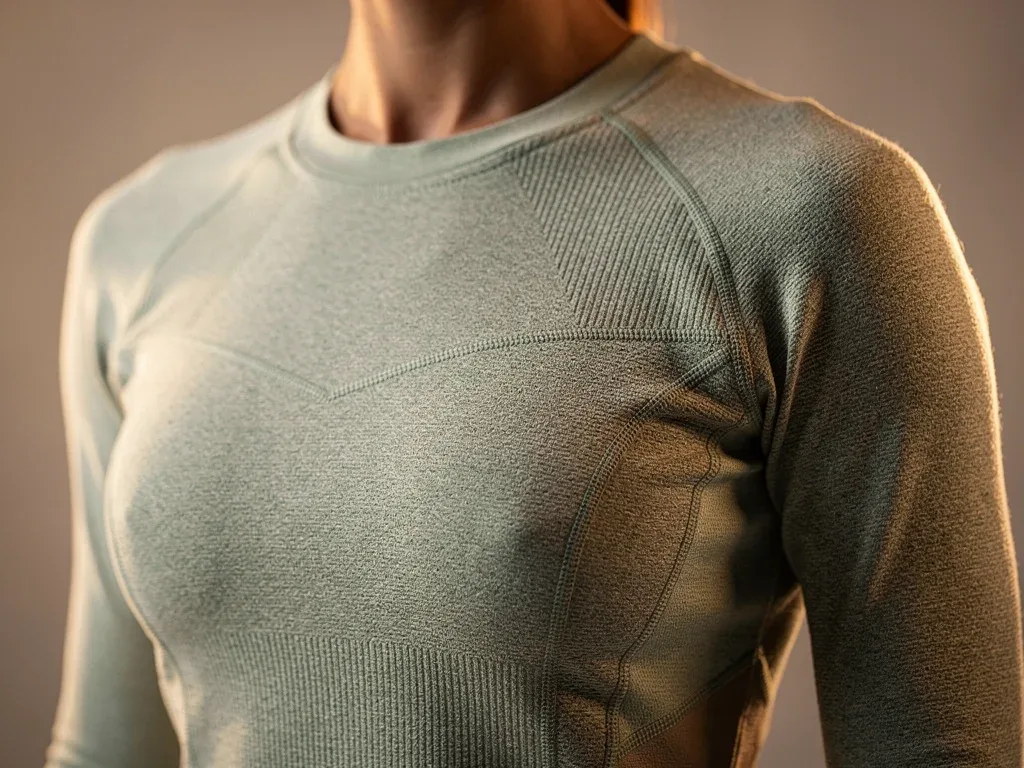
Alongside tailored silhouettes, the color palette for athleisure in 2026 is leaning towards sophisticated neutrals and earthy tones. While vibrant colors will always have their place in activewear, the trend for everyday athleisure is moving towards versatile hues like charcoal gray, deep navy, olive green, and various shades of beige and cream. These colors are easy to mix and match, further enhancing the versatility of the garments.
Subtle textures also play a crucial role in elevating the aesthetic. Fabrics with a slight sheen, a soft rib, or a delicate waffle knit add visual interest without being overtly sporty. These textural elements contribute to the luxurious feel of the garments, making them suitable for a wider range of occasions. The combination of tailored cuts, neutral colors, and refined textures creates a cohesive and elegant athleisure wardrobe that speaks to a modern sense of style.
The shift towards tailored silhouettes and elevated aesthetics signifies athleisure’s coming of age. It’s no longer just a casual choice but a deliberate fashion statement, offering comfort and style in equal measure. This trend ensures that athleisure remains relevant and aspirational for years to come.
Integration of Smart Technology and Wearables
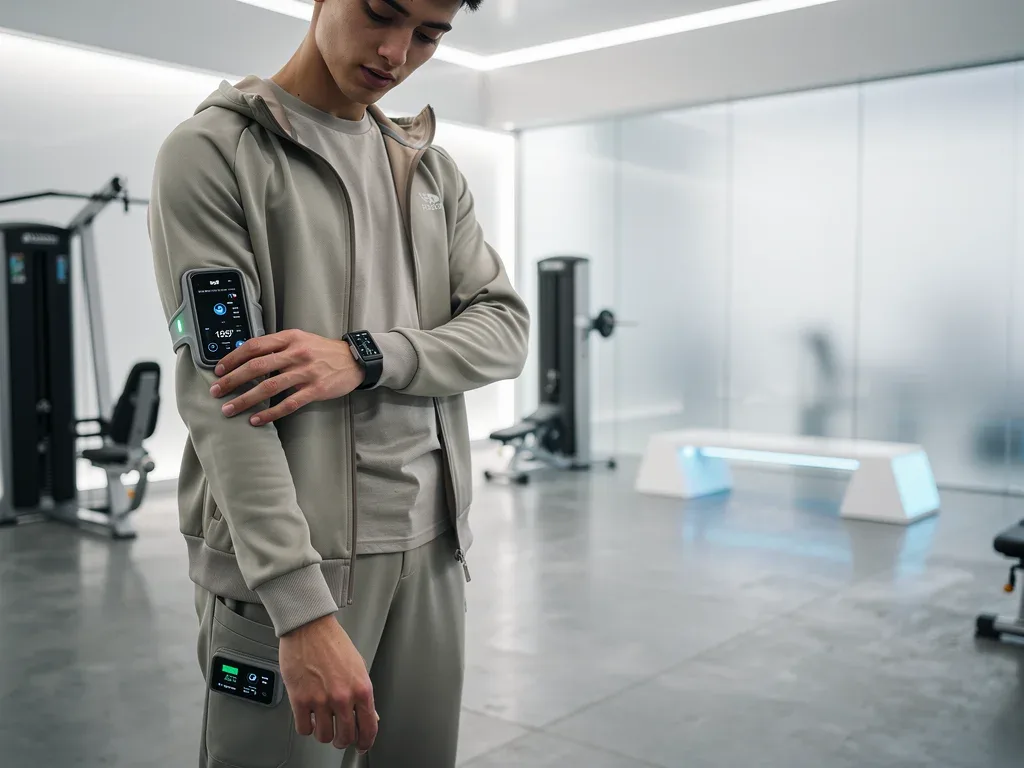
The future of athleisure is undeniably intertwined with the advancement of smart technology and wearables. As we approach 2026, the integration of tech into our clothing is becoming more seamless, intuitive, and beneficial, transforming how we interact with our garments and our environment. This goes beyond simple fitness trackers; it’s about embedding intelligence directly into the fabric and design of athleisure wear.
This new wave of technological integration aims to enhance performance, comfort, and overall well-being. From garments that monitor vital signs to those that regulate temperature or even provide navigation, smart athleisure is poised to revolutionize our daily routines. The key is to make this technology invisible and effortless, ensuring it complements rather than detracts from the aesthetic and feel of the clothing.
Performance-Enhancing Sensors and Biometrics
One of the most exciting developments is the incorporation of miniature sensors directly into athleisure fabrics. These sensors can track a myriad of biometric data, providing real-time feedback on performance, health, and recovery. Imagine a smart shirt that monitors your heart rate, respiration, and muscle activity during a workout, then sends that data directly to your smartphone.
- Heart Rate Monitoring: Integrated sensors in sports bras or tops for accurate tracking without external devices.
- Muscle Fatigue Detection: Garments that can identify early signs of overexertion to prevent injuries.
- Temperature Regulation: Fabrics that actively cool or warm the body based on external conditions.
This level of personalized data allows athletes and fitness enthusiasts to optimize their training, prevent injuries, and gain a deeper understanding of their bodies. For the everyday wearer, it offers insights into stress levels, sleep patterns, and overall health, making athleisure a tool for holistic well-being.
Interactive and Adaptive Garments
Beyond monitoring, athleisure is also becoming more interactive and adaptive. This includes garments with embedded LEDs for visibility during night runs, or fabrics that change color based on UV exposure to warn about sun intensity. The potential for interactive athleisure is vast, creating a dynamic relationship between the wearer and their clothing.

Another area of innovation is haptic feedback. Imagine a pair of smart leggings that gently vibrate to guide you through yoga poses or provide subtle cues for posture correction. These adaptive features turn clothing into a responsive partner, enhancing both performance and safety. The goal is to make technology an invisible assistant, seamlessly integrated into our daily lives through our wardrobe. This sophisticated integration of smart technology is a game-changer for athleisure, pushing the boundaries of what clothing can do.
The Rise of Personalized and Modular Athleisure
In an era that champions individuality and self-expression, athleisure is evolving to offer unprecedented levels of personalization and modularity by 2026. Consumers no longer want mass-produced items; they seek clothing that reflects their unique style, body type, and functional needs. This shift is driving brands to offer more customizable options, allowing individuals to curate their athleisure wardrobe with precision and creativity.
Modular design, in particular, is gaining traction. This concept involves creating garments with interchangeable components, enabling wearers to adapt their outfits for different activities, weather conditions, or aesthetic preferences. It’s about building a versatile and sustainable wardrobe that maximizes utility and minimizes waste, all while celebrating personal style.
Customization at Your Fingertips
The ability to customize athleisure wear is becoming a significant draw. This can range from choosing specific colors and patterns to selecting different fits, lengths, and even fabric blends. Advanced manufacturing techniques, such as 3D printing and on-demand production, are making this level of personalization more accessible and cost-effective.
- Color and Pattern Choices: Allowing customers to design their own unique prints or select from a wide palette.
- Fit Adjustments: Offering bespoke sizing or custom alterations for a perfect fit.
- Embellishment Options: Adding personalized embroidery, patches, or reflective elements.
This level of customization not only ensures a perfect fit and aesthetic but also fosters a deeper connection between the wearer and their clothing. It transforms a simple purchase into a creative collaboration, resulting in garments that are truly one-of-a-kind.
Interchangeable Components and Layering Systems
Modular athleisure takes personalization a step further by introducing interchangeable components. Imagine a jacket where you can zip off the sleeves to create a vest, or pants with detachable lower sections that convert into shorts. This adaptability makes garments incredibly versatile, suitable for a range of activities and climates, and reduces the need for multiple single-purpose items.
Layering systems are also becoming more sophisticated. Brands are designing collections where different pieces are specifically engineered to work together, offering optimal insulation, breathability, and aesthetic cohesion. This allows wearers to build complex outfits that can be easily adjusted throughout the day, catering to fluctuating temperatures or changing needs. The emphasis on personalized and modular athleisure empowers consumers to create a functional yet expressive wardrobe that is uniquely their own.
Gender-Neutral Design and Inclusivity
As societal norms continue to evolve, the fashion industry is increasingly embracing gender-neutral design and inclusivity, and athleisure is at the forefront of this movement for 2026. The traditional boundaries between men’s and women’s clothing are dissolving, paving the way for collections that are designed to be worn and enjoyed by everyone, regardless of gender identity. This shift reflects a broader cultural desire for authenticity, self-expression, and the rejection of binary constraints.
Gender-neutral athleisure focuses on universal fits, adaptable silhouettes, and a color palette that transcends conventional gender associations. It’s about creating clothing that prioritizes comfort, functionality, and style for all individuals, fostering a more inclusive and representative fashion landscape.
Universal Fits and Adaptable Silhouettes
The core of gender-neutral athleisure lies in its design philosophy: creating garments that fit and flatter a wide range of body types without specific gender assumptions. This often means relaxed fits, adjustable waistbands, and thoughtful tailoring that allows for versatility in how a garment is worn. The focus is on comfort and freedom of movement, ensuring that everyone can feel good and look stylish.
- Oversized Hoodies and Sweatshirts: Providing a comfortable and versatile fit for all.
- Adjustable Drawstring Pants: Allowing for personalized waistline adjustments.
- Unisex Performance Tees: Designed with a relaxed cut that suits various body shapes.
These designs challenge the notion that certain styles are exclusively for one gender, promoting a more fluid and expansive approach to fashion. The emphasis is on individual preference rather than prescribed categories, empowering wearers to choose what resonates with them.
Inclusive Sizing and Representation
Beyond design, inclusivity in athleisure also extends to sizing and representation. Brands are committed to offering a wider range of sizes, ensuring that individuals of all body types can find comfortable and stylish activewear. This move towards size inclusivity is coupled with a greater effort to feature diverse models in campaigns, reflecting the true breadth of the consumer base.
The messaging around gender-neutral athleisure also plays a crucial role, emphasizing empowerment, acceptance, and the celebration of individual identity. It’s about creating a space where everyone feels seen, valued, and comfortable expressing themselves through their clothing. This commitment to inclusivity not only makes athleisure more accessible but also reinforces its position as a progressive and forward-thinking trend in the fashion world.
The Fusion of Workleisure and Athluxury
Athleisure’s journey to 2026 is marked by an exciting fusion with other emerging style concepts: workleisure and athluxury. This convergence signifies a complete overhaul of how we perceive professional and high-end fashion, blending the unparalleled comfort and functionality of athleisure with the sophistication required for the workplace and the opulence associated with luxury. The result is a hybrid aesthetic that caters to a modern lifestyle where boundaries between work, leisure, and upscale events are increasingly blurred.
Workleisure, specifically, addresses the evolving office environment, where rigid dress codes are giving way to more relaxed yet still polished attire. Athluxury, on the other hand, elevates activewear with premium materials, exquisite craftsmanship, and designer touches, making it suitable for more formal or exclusive settings.
Workleisure: Professional Comfort Redefined
Workleisure is all about integrating the comfort of athleisure into professional settings without sacrificing a smart, put-together appearance. This means tailored pieces made from performance fabrics that offer stretch, breathability, and wrinkle resistance. The goal is to look sharp and feel comfortable throughout the workday, whether you’re in the office, working from home, or attending virtual meetings.
- Performance Blouses: Made from moisture-wicking, stretch fabrics with elegant drapes.
- Tailored Knit Trousers: Offering the look of dress pants with the comfort of sweatpants.
- Structured Cardigans/Blazers: Crafted from soft, flexible materials that retain their shape.
This trend acknowledges that productivity and well-being are intrinsically linked to comfort, allowing individuals to move freely and feel at ease while maintaining a professional demeanor. It’s a pragmatic yet stylish approach to dressing for the modern professional.
Athluxury: Elevating Activewear to High Fashion
Athluxury takes athleisure to the realm of high fashion, incorporating premium materials, intricate detailing, and designer aesthetics. This isn’t just about expensive activewear; it’s about activewear crafted with the same attention to detail and quality as haute couture. Think cashmere joggers, silk-blend hoodies, and technical fabrics adorned with subtle designer logos or unique embellishments.
The pieces are often designed for versatility, easily transitioning from a casual day out to an evening event with the right accessories. Athluxury reflects a desire for comfort that doesn’t compromise on elegance or exclusivity. It’s a statement that one values both personal well-being and refined style, making everyday moments feel a little more special. The fusion of workleisure and athluxury ensures athleisure’s relevance across all facets of contemporary life, from the boardroom to exclusive social gatherings.
The Influence of Digital Fashion and Metaverse
As we delve deeper into 2026, the digital realm is exerting an undeniable influence on physical fashion, and athleisure is no exception. The rise of digital fashion and the metaverse is opening up new avenues for creativity, expression, and even sustainable consumption within the athleisure space. This isn’t just about wearing digital clothes in virtual worlds; it’s about how these digital experiences are shaping physical design, promoting virtual try-ons, and fostering unique brand engagement.
The metaverse offers a boundless canvas for designers to experiment with forms, textures, and functionalities that might be impossible or impractical in the physical world. This experimentation inevitably trickles down, inspiring new aesthetics and innovations in real-world athleisure collections. Furthermore, digital fashion provides a sustainable alternative to physical consumption, allowing individuals to express their style without contributing to textile waste.
Virtual Try-Ons and Augmented Reality (AR)
One of the most practical applications of digital fashion in athleisure is the widespread adoption of virtual try-ons and augmented reality (AR) experiences. Consumers can now use their smartphones or AR mirrors to digitally try on athleisure garments, seeing how different styles, colors, and sizes look on their own bodies without ever touching a physical item.
- AR Filters: Allowing users to virtually wear new athleisure releases on social media.
- 3D Body Scans: Providing highly accurate sizing recommendations for online purchases.
- Interactive Digital Showrooms: Exploring entire athleisure collections in an immersive virtual environment.
This technology not only enhances the online shopping experience but also significantly reduces returns due to poor fit, contributing to greater sustainability. It empowers consumers to make more informed purchasing decisions, leading to higher satisfaction and less environmental impact.
NFTs and Collectible Digital Athleisure
The metaverse is also giving rise to non-fungible tokens (NFTs) and collectible digital athleisure. Brands are creating exclusive digital garments that can be purchased, traded, and worn by avatars in virtual worlds. These digital assets often come with unique designs, collaborations, or access to exclusive physical products or experiences.
For many, owning a rare digital athleisure NFT is as much a status symbol as owning a physical designer piece. This trend taps into the desire for unique self-expression and community building within digital spaces. The influence of digital fashion and the metaverse is pushing athleisure into new dimensions, fostering innovation, sustainability, and unparalleled opportunities for personal style in both virtual and physical realms.
| Key Element | Brief Description |
|---|---|
| Sustainable Fabrics | Focus on recycled, upcycled, and bio-based materials for eco-friendly performance wear. |
| Tailored Aesthetics | Refined silhouettes, precision cuts, and neutral palettes blurring lines between active and formal wear. |
| Smart Tech Integration | Seamless embedding of sensors and wearables for enhanced performance, health monitoring, and interactivity. |
| Personalization & Modularity | Customizable options and interchangeable components for unique and adaptable wardrobes. |
Frequently Asked Questions About Athleisure’s Evolution
What are the primary drivers behind athleisure’s continued evolution for 2026?▼The evolution of athleisure is primarily driven by consumer demand for comfort, versatility, and sustainability. A growing awareness of environmental impact, combined with advancements in textile technology and a desire for personalized style, fuels its continuous adaptation and integration into various lifestyle aspects.
How will sustainable fabrics impact the look and feel of future athleisure?▼Sustainable fabrics will maintain high performance while offering unique textures and finishes. Expect luxurious softness from bio-based materials and subtle, sophisticated aesthetics from recycled synthetics. They will not compromise on durability, breathability, or moisture-wicking properties, ensuring both style and eco-consciousness.
Can athleisure truly be considered appropriate for professional settings by 2026?▼Absolutely. The workleisure trend, part of athleisure’s evolution, focuses on tailored silhouettes and refined fabrics that are both comfortable and professional. Expect sophisticated joggers, performance blazers, and knit trousers that seamlessly blend into a modern office environment, offering comfort without sacrificing polish.
What role will smart technology play in everyday athleisure wear?▼Smart technology will be seamlessly integrated into everyday athleisure to enhance performance, health monitoring, and comfort. This includes embedded sensors for biometrics, fabrics that regulate temperature, and interactive elements for safety. The goal is invisible tech that supports well-being without altering the garment’s aesthetic.
How does modular athleisure contribute to personal style and sustainability?▼Modular athleisure allows for customization and interchangeability, enabling individuals to adapt garments to different needs and express unique styles. This approach promotes sustainability by reducing the need for multiple items, fostering a versatile wardrobe, and encouraging conscious consumption through personalized and adaptable pieces.
Conclusion
The evolution of athleisure into 2026 represents a significant paradigm shift in the fashion industry, moving far beyond its initial athletic roots. It is transforming into a multifaceted lifestyle category, deeply intertwined with sustainability, technological innovation, and individual expression. The four new style elements—sustainable performance fabrics, tailored aesthetics, smart technology integration, and personalized modularity—are not isolated trends but interconnected pillars supporting a future where comfort, style, and conscious living coexist harmoniously. As consumers increasingly prioritize versatility, environmental responsibility, and personal identity, athleisure is poised to continue its reign, adapting and innovating to meet the dynamic demands of the modern world. This ongoing transformation ensures that athleisure remains at the forefront of fashion, defining how we dress, work, and live for years to come.