Future of Fabric: 3 Innovative Textile Trends Revolutionizing Fashion
Advertisements
The future of fabric is rapidly evolving, with three innovative textile trends – sustainable materials, smart textiles, and bio-engineered fabrics – poised to revolutionize the fashion industry within the next year, offering enhanced performance and environmental benefits.
The world of fashion is always in motion, but the pace of change in textile innovation is accelerating at an unprecedented rate. The future of fabric isn’t just about new designs; it’s about entirely new ways of creating, interacting with, and experiencing materials. We’re on the cusp of a textile revolution that promises to redefine what we wear, how we wear it, and the impact our clothing has on the planet.
The rise of sustainable and circular textiles
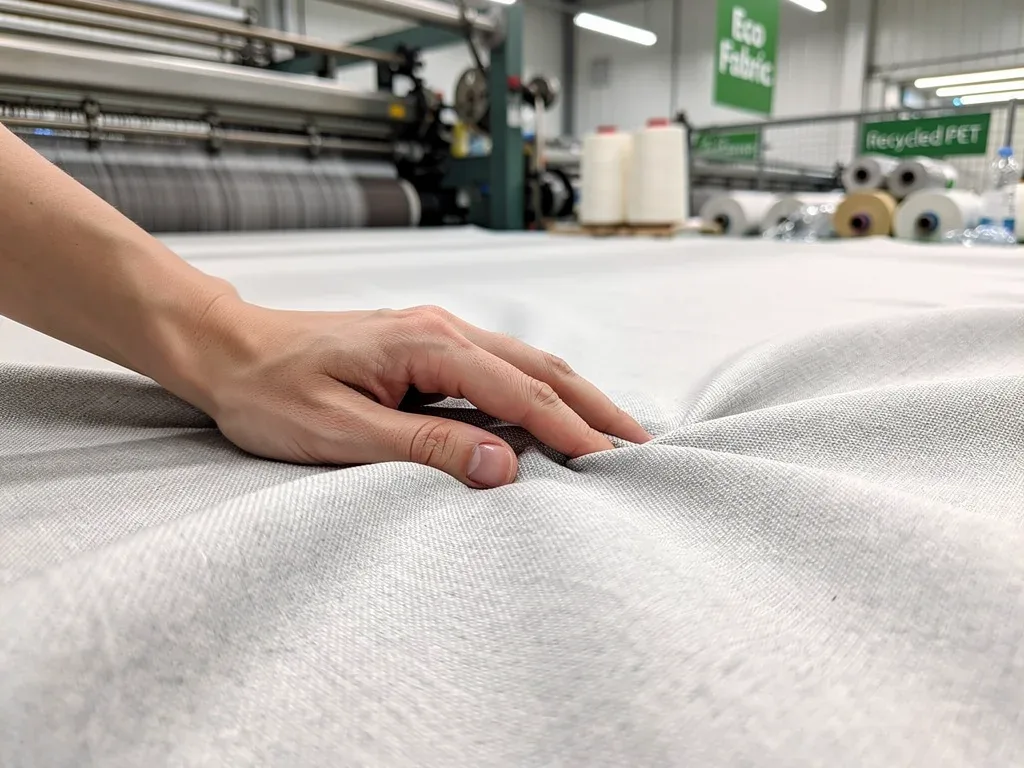
The fashion industry has long grappled with its environmental footprint, from water consumption to waste generation. However, a significant shift is underway, driven by both consumer demand and technological advancements, leading to the rapid emergence of sustainable and circular textiles. These innovations are not just about being ‘less bad’; they represent a fundamental rethinking of how fabrics are sourced, produced, and ultimately, returned to the earth or repurposed.
This trend is gaining immense traction as brands recognize the imperative to operate responsibly, and consumers increasingly seek out eco-conscious options. The next 12 months will see these sustainable practices move from niche to mainstream, influencing everything from high fashion to everyday wear. It’s a move towards an economy where waste is minimized, and resources are kept in use for as long as possible.
Innovative material sourcing
One of the core tenets of sustainable textiles is the origin of the raw materials. Traditional cotton farming is water-intensive, and synthetic fibers are often derived from fossil fuels. The industry is actively seeking and implementing alternatives that reduce these impacts.
- Recycled fibers: Utilizing post-consumer waste like plastic bottles (rPET) or discarded clothing to create new yarns. This significantly reduces landfill waste and the need for virgin resources.
- Organic and regenerative agriculture: Growing natural fibers like cotton, linen, and hemp without harmful pesticides and with practices that improve soil health, sequester carbon, and enhance biodiversity.
- Bio-based materials: Developing fibers from plant sources such as bamboo, eucalyptus, pineapple leaves, or even agricultural waste, offering biodegradable alternatives to synthetics.
Circular economy principles in practice
Beyond sourcing, the concept of a circular economy is transforming how garments are designed, manufactured, and managed at their end-of-life. This involves creating closed-loop systems where textiles are endlessly recycled or safely biodegraded.
Advanced recycling technologies are crucial here. Chemical recycling processes can break down mixed fiber garments into their molecular components, allowing them to be re-polymerized into new, high-quality fibers. This is a game-changer for complex materials that were previously unrecyclable. Design for longevity and repairability is also becoming a key focus, encouraging consumers to keep their clothes for longer and facilitating easy repairs.
The integration of digital product passports, which provide information about a garment’s composition and care instructions, will further enable efficient sorting and recycling. This holistic approach ensures that resources are valued and reused, pushing the industry towards a truly sustainable future.
In conclusion, the shift towards sustainable and circular textiles is a multifaceted movement addressing environmental concerns at every stage of the product lifecycle. From responsible sourcing to closed-loop systems, these innovations are setting a new standard for the fashion industry, promising a cleaner, greener future for our wardrobes.
The advent of smart textiles and wearable technology
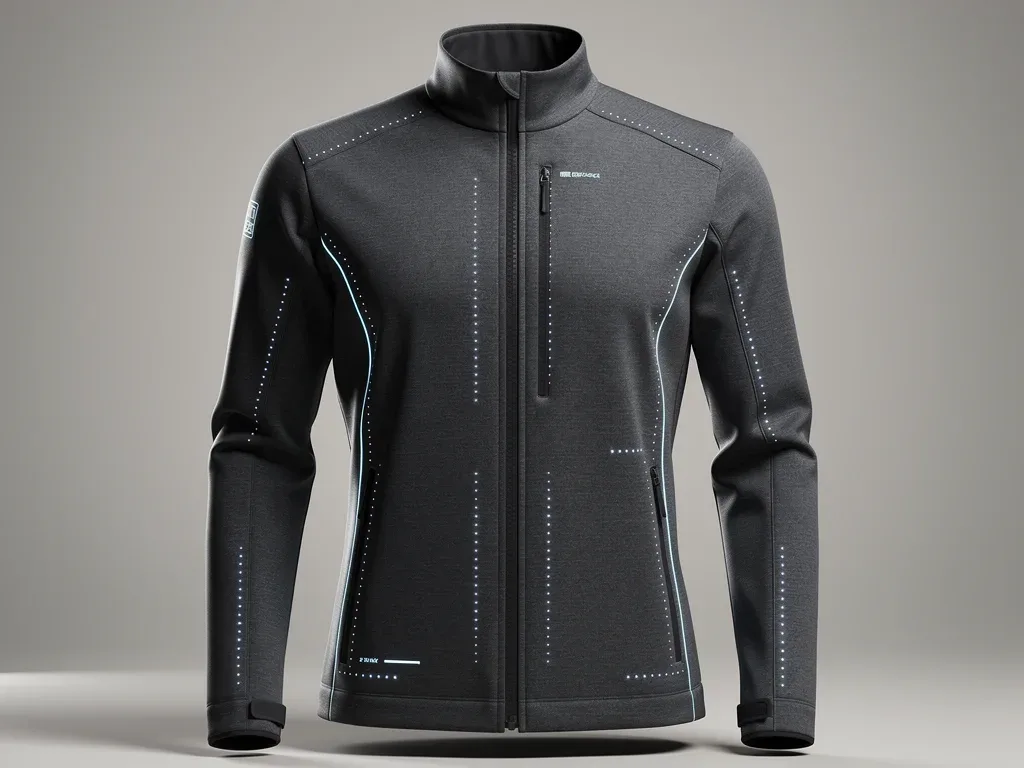
Beyond traditional aesthetics and comfort, the future of fabric is increasingly intertwined with technology. Smart textiles, also known as e-textiles or wearable technology, are fabrics that integrate digital components like microcontrollers, sensors, and batteries, allowing them to perform various functions beyond conventional textiles. This field is rapidly expanding, promising garments that can monitor health, change color, generate power, or even communicate with other devices.
The next year will witness a significant leap in the integration of these technologies into everyday apparel and specialized performance wear. Imagine clothes that can adapt to your environment, provide personalized health data, or even charge your phone. These innovations are moving from the realm of science fiction into practical, commercially viable products, opening up entirely new possibilities for personal expression, convenience, and well-being.
Health and performance monitoring
One of the most promising applications of smart textiles is in health and fitness. Garments embedded with biometric sensors can track heart rate, respiration, body temperature, and even muscle activity with greater accuracy and comfort than traditional wearables.
- Continuous health tracking: Smart shirts can monitor vital signs throughout the day, providing real-time data for athletes, elderly individuals, or those with chronic conditions, often without the need for additional bulky devices.
- Performance optimization: For athletes, smart compression wear can monitor muscle fatigue, provide feedback on form, and even offer targeted recovery support through embedded heating or cooling elements.
- Medical diagnostics: Beyond fitness, these textiles hold potential for early detection of medical conditions, offering a non-invasive way to collect crucial health data over extended periods.
Adaptive and interactive clothing
The next generation of smart textiles will also offer dynamic capabilities, allowing clothing to respond to external stimuli or user input. This could range from purely aesthetic changes to functional enhancements that improve comfort and safety.
Imagine a jacket that automatically adjusts its insulation based on ambient temperature, or a dress that changes color and pattern with a simple tap on a smartphone app. These adaptive features are powered by technologies such as thermochromic dyes, electrochromic materials, and integrated flexible electronics. The potential for personalization and environmental adaptability is immense, making clothes more versatile and responsive to individual needs and preferences. Furthermore, interactive elements, such as touch-sensitive fabrics that control smart devices or provide haptic feedback, are also on the horizon, blurring the lines between clothing and interface.
In summary, smart textiles are poised to transform our relationship with clothing, turning garments into intelligent companions that enhance our health, performance, and daily lives. The fusion of fashion and technology is creating a new category of apparel that is both functional and futuristic.
Bio-engineered fabrics and lab-grown materials
Perhaps the most revolutionary aspect of the future of fabric lies in the realm of bio-engineering and lab-grown materials. This trend moves beyond simply recycling existing resources or integrating electronics; it involves creating entirely new fibers and textiles using biological processes or cultivating them in a controlled environment. This approach offers unparalleled opportunities for sustainability, customization, and novel material properties that are impossible to achieve through traditional manufacturing.
The coming year will see significant breakthroughs in scaling up these bio-engineered solutions, making them more accessible to the wider fashion industry. From mushroom leathers to spider silk proteins, these materials represent a paradigm shift in how we think about textile production, moving towards a future where nature’s blueprints inspire cutting-edge innovation.
Mycelium-based materials
Mycelium, the root structure of fungi, is emerging as a powerful and sustainable alternative to traditional leather and other animal-derived materials. These materials are grown in controlled environments, requiring significantly less water and land than animal agriculture, and can be fully biodegradable.
- Sustainable leather alternatives: Mycelium can be grown into sheets that mimic the texture and durability of animal leather, offering a cruelty-free and eco-friendly option for footwear, bags, and apparel.
- Customizable properties: By manipulating growth conditions, researchers can control the thickness, strength, and flexibility of mycelium materials, tailoring them for specific applications.
- Circular lifecycle: At the end of their life, mycelium products can be composted, returning nutrients to the soil and completing a truly circular material cycle.
Lab-grown fibers and textiles
Advancements in biotechnology are enabling the creation of fibers from scratch, using microorganisms or cellular agriculture. This allows for the precise engineering of material properties, creating fibers with enhanced strength, elasticity, or even self-healing capabilities.
One prominent example is the development of lab-grown spider silk. Known for its incredible strength-to-weight ratio, natural spider silk is difficult to harvest at scale. However, scientists are now able to produce spider silk proteins through fermentation, which can then be spun into fibers. These bio-engineered silks offer a sustainable, high-performance material for a wide range of applications, from sportswear to medical textiles. Similarly, bacterial cellulose and algae-based fibers are being explored for their unique properties and minimal environmental impact, providing alternatives to synthetic and resource-intensive natural fibers. These bio-fabricated materials represent a future where textiles are designed at a molecular level for optimal performance and ecological responsibility.
In conclusion, bio-engineered fabrics and lab-grown materials are at the forefront of textile innovation, offering sustainable, high-performance alternatives that minimize environmental impact and push the boundaries of what fabrics can do. This trend promises a future where fashion is not only beautiful but also biologically intelligent and regenerative.
Advanced manufacturing and customization
Beyond the materials themselves, the processes used to create and customize fabrics are undergoing a significant transformation. Advanced manufacturing techniques, coupled with increasing demand for personalized products, are leading to more efficient, less wasteful, and highly adaptable production methods. This section explores how these innovations are shaping the future of fabric production and enabling a new era of bespoke fashion.
The next 12 months will see a greater adoption of technologies like 3D printing and on-demand manufacturing, which not only reduce waste but also empower designers to create intricate and unique textiles that were previously impossible. This shift also caters to a consumer base that increasingly values individuality and sustainability, moving away from mass-produced uniformity towards personalized, consciously created items.
3D printing and additive manufacturing
3D printing, or additive manufacturing, is revolutionizing textile and garment production by allowing for the creation of complex structures layer by layer. This technology offers unprecedented design freedom and can significantly reduce material waste.
- Direct-to-garment printing: Printing intricate designs and even functional elements directly onto fabric, eliminating the need for traditional dyeing and cutting processes for certain components.
- Textile components and embellishments: Creating unique buttons, zippers, or decorative elements from various polymers, metals, or even bio-based materials, tailored to specific designs.
- Full garment printing: While still in its early stages for entire garments, advancements are being made in printing flexible, wearable fabrics and even multi-material items, offering highly customized fit and aesthetic.
On-demand production and personalization
The traditional fashion model often involves mass production based on seasonal predictions, leading to significant overstock and waste. On-demand manufacturing, enabled by digital technologies, offers a more sustainable and consumer-centric alternative.
With on-demand production, garments are only manufactured once an order is placed, drastically reducing unsold inventory and associated waste. This model is supported by digital design, automated cutting, and efficient supply chains. Furthermore, personalization is at the heart of this trend. Consumers can customize colors, patterns, and even fit parameters, leading to unique pieces that truly reflect their individual style. This shift not only empowers consumers but also allows brands to operate with greater agility and reduced environmental impact, fostering a more sustainable and responsive fashion ecosystem. The ability to create a truly bespoke item, produced only when needed, is a powerful driver for the industry’s future.
In conclusion, advanced manufacturing techniques like 3D printing and on-demand production are transforming the textile industry by enabling greater customization, reducing waste, and fostering a more efficient and sustainable approach to fashion creation. These innovations are paving the way for a future where clothing is both unique and responsibly produced.
The integration of AI and data in textile design
Artificial intelligence (AI) and data analytics are rapidly becoming indispensable tools in the textile and fashion industry, moving beyond simple trend prediction to influence material development, design processes, and even supply chain optimization. This digital revolution is enhancing efficiency, fostering creativity, and enabling a deeper understanding of consumer preferences, ultimately shaping the fabrics of tomorrow.
Over the next year, we will see AI’s role expand significantly, from generating novel fabric textures and patterns to optimizing the chemical composition of new sustainable materials. This integration promises a future where design is more data-driven, production is smarter, and textiles are perfectly tailored to both human needs and environmental considerations.
AI-powered material innovation
AI’s ability to process vast amounts of data and identify complex patterns is proving invaluable in the search for new and improved textile materials. This includes accelerating the development of sustainable fibers and optimizing their properties.
- Formulation optimization: AI algorithms can analyze various chemical compositions and manufacturing processes to identify the most sustainable and high-performing blends for new bio-engineered or recycled fabrics.
- Property prediction: Predicting how a new fiber will behave under different conditions (e.g., strength, elasticity, breathability) before physical production, saving time and resources in R&D.
- Sustainable sourcing intelligence: AI can help identify the most ethical and environmentally friendly suppliers of raw materials, ensuring transparency and responsibility throughout the supply chain.
Algorithmic design and trend forecasting
AI is also transforming the creative side of textile design, offering tools that can generate new patterns, color palettes, and even entire garment designs. This augments human creativity, providing designers with novel inspirations and insights.
Beyond generating designs, AI is exceptionally skilled at analyzing consumer data, social media trends, and sales figures to forecast future fashion preferences with remarkable accuracy. This allows textile manufacturers to produce fabrics that are precisely aligned with market demand, minimizing overproduction and waste. AI can also personalize design recommendations for individual consumers, enabling brands to offer highly tailored products. By understanding complex correlations between material properties, design elements, and consumer behavior, AI helps create textiles that are not only aesthetically pleasing but also functionally superior and commercially successful. This intelligent approach to design and forecasting ensures that the fabrics developed are relevant and desired by the end-user.
In conclusion, the integration of AI and data analytics is profoundly impacting the textile industry, from accelerating material innovation to streamlining design processes and predicting trends. This technological leap is making the creation of future fabrics more intelligent, sustainable, and responsive to the evolving demands of the fashion world.
The imperative of textile recycling and upcycling
As the fashion industry continues to innovate with new materials and technologies, the challenge of managing textile waste remains paramount. The imperative of textile recycling and upcycling is not just an environmental concern but an economic opportunity, driving the development of new processes and business models. This trend is crucial for achieving a truly circular fashion economy, ensuring that valuable resources are not lost to landfills.
In the next 12 months, we can expect to see significant advancements in scaling up recycling infrastructure and fostering consumer participation in textile collection programs. The focus will be on making it easier for consumers to return unwanted garments and for industries to efficiently process them into new raw materials, closing the loop on textile production.
Enhancing recycling infrastructure
The current infrastructure for textile recycling is often inadequate to handle the vast quantities and variety of discarded clothing. Investment in advanced sorting and processing technologies is essential to improve efficiency and broaden the types of textiles that can be recycled.
- Automated sorting systems: Using AI and robotics to quickly and accurately sort textiles by fiber composition, color, and quality, which is critical for effective recycling processes.
- Chemical recycling breakthroughs: Developing and commercializing technologies that can break down blended fabrics into their constituent polymers, allowing for the creation of high-quality new fibers from complex waste streams.
- Microfiber capture: Innovating solutions at the industrial and consumer level to capture microfibers released during washing, preventing them from polluting waterways.
The growth of upcycling and creative reuse
Beyond industrial recycling, upcycling—transforming discarded materials into new products of higher value—is gaining traction as a creative and sustainable approach to textile waste. This practice reduces the demand for new resources and fosters unique, handcrafted items.
Upcycling can range from individual designers creating one-of-a-kind garments from vintage textiles to larger brands integrating salvaged materials into new collections. This not only gives old fabrics a new lease on life but also injects character and a story into the finished product. Consumer interest in unique, sustainably made items is fueling this trend, and platforms facilitating the exchange and transformation of textile waste are growing. Furthermore, educational initiatives are empowering consumers with skills to repair, repurpose, and upcycle their own clothing, extending the lifespan of garments and fostering a more mindful approach to consumption. The combination of advanced recycling and creative upcycling is key to diverting textiles from landfills and maximizing their value.
In conclusion, textile recycling and upcycling are critical components of the future of fabric, addressing the urgent need to manage waste and conserve resources. Through enhanced infrastructure and creative reuse, the industry is moving towards a more sustainable and circular model, ensuring that textiles are valued and utilized throughout their lifecycle.
Consumer engagement and the future of textile choices
Ultimately, the success of innovative textile trends hinges on consumer engagement and their willingness to embrace new choices. As the fashion landscape evolves, consumers are becoming more informed and demanding, seeking not only style and quality but also transparency and sustainability. This shift in consumer values is a powerful driver for the industry, pushing brands to innovate and communicate their efforts more effectively.
Over the next 12 months, we will see an increased emphasis on educating consumers about the benefits of sustainable, smart, and bio-engineered fabrics. Brands will need to clearly articulate the value proposition of these new materials, making it easier for consumers to make informed decisions that align with their personal values and contribute to a more responsible fashion ecosystem.
Educating for informed decisions
Many consumers are eager to make more sustainable choices but may lack the knowledge or access to do so effectively. Brands and retailers have a crucial role in providing clear, concise information about their textile innovations.
- Transparency in sourcing: Providing detailed information about where materials come from, how they are produced, and their environmental impact.
- Benefits of smart textiles: Clearly explaining the functional advantages of wearable tech, from health monitoring to adaptive comfort, in an accessible way.
- Lifecycle information: Guiding consumers on how to care for their garments to extend their life, and how to properly recycle or dispose of them at the end of their use.
The power of conscious consumption
The rise of conscious consumption indicates a growing segment of consumers who prioritize ethical and environmental considerations alongside aesthetics and price. This demographic is actively seeking out brands that align with their values, creating a market for innovative and responsible textiles.
As more sustainable and technologically advanced fabrics become available, their adoption will largely depend on how well they meet consumer expectations for quality, style, and affordability. Brands that can successfully integrate these innovations while maintaining competitive pricing and appealing aesthetics will thrive. Furthermore, the influence of social media and digital platforms will continue to shape consumer perceptions and drive demand for these new fabrics, making it easier for individuals to discover and share information about responsible fashion choices. The collective power of consumer choices will ultimately accelerate the transition towards a more innovative and sustainable future of fabric, making ethical fashion the new norm rather than an exception.
In conclusion, consumer engagement is a vital component in the widespread adoption of new textile trends. By providing clear information and catering to the growing demand for conscious consumption, the industry can empower individuals to make choices that support a more innovative and sustainable future for fabric.
| Key Trend | Brief Description |
|---|---|
| Sustainable & Circular Textiles | Focus on eco-friendly sourcing (recycled, organic, bio-based) and closed-loop systems to minimize waste and environmental impact. |
| Smart Textiles & Wearable Tech | Integration of digital components into fabrics for health monitoring, performance tracking, and adaptive functionalities. |
| Bio-engineered & Lab-Grown Materials | Creating new fibers from biological processes (mycelium, spider silk) for sustainable, high-performance alternatives. |
| Advanced Manufacturing & Customization | Utilizing 3D printing and on-demand production for efficiency, waste reduction, and personalized fashion. |
Frequently asked questions about the future of fabric
What are the main drivers behind the innovation in future fabrics?▼The primary drivers are sustainability concerns, technological advancements enabling smart functionalities, and consumer demand for unique, personalized, and ethically produced garments. These factors collectively push the industry towards novel material development and production methods.
How will sustainable fabrics impact everyday fashion?▼Sustainable fabrics will become more mainstream, offering eco-friendly alternatives for common clothing items. This means more options made from recycled materials, organic fibers, and bio-based alternatives, reducing the environmental footprint of our daily wardrobes without sacrificing style or comfort.
Can smart textiles truly monitor health effectively?▼Yes, smart textiles are increasingly capable of effectively monitoring various health metrics like heart rate, respiration, and temperature with embedded sensors. While not a replacement for medical devices, they offer continuous, comfortable tracking for fitness, wellness, and early detection of anomalies.
What are some examples of bio-engineered fabrics?▼Key examples include mycelium-based materials, which serve as sustainable leather alternatives grown from fungi, and lab-grown spider silk, produced through fermentation for high-performance applications. These innovative materials reduce reliance on traditional, resource-intensive sources.
How will advanced manufacturing change clothing customization?▼Advanced manufacturing, such as 3D printing and on-demand production, will enable unprecedented levels of clothing customization. Consumers will be able to personalize designs, fits, and even material properties more easily, moving away from mass-produced items towards unique, bespoke garments.
Conclusion
The journey into the future of fabric reveals a landscape rich with innovation, driven by a powerful synergy of sustainability, technology, and biological science. The three revolutionary textile trends—sustainable and circular textiles, smart textiles and wearable technology, and bio-engineered fabrics—are not merely fleeting fads but foundational shifts poised to redefine the fashion industry within the next 12 months and beyond. These advancements promise not only a reduction in environmental impact but also the creation of garments that are more functional, personalized, and intrinsically connected to our well-being. As consumers become more discerning and technology continues its rapid evolution, the textiles of tomorrow will offer a harmonious blend of beauty, performance, and planetary responsibility, making our clothing choices more impactful than ever before. The future of fabric is bright, intelligent, and sustainable, inviting us all to embrace a new era of fashion.