Spring 2026 Fashion Trends: Insider’s Guide to What’s Next
Advertisements
The fashion landscape for Spring 2026 is set to be redefined by five pivotal emerging trends, including advanced sustainability, digital integration, and a focus on innovative, comfort-driven textiles, offering a fresh perspective on style and conscious consumption.
As we peer into the near future, The Top 5 Emerging Fashion Trends Dominating Spring 2026: An Insider’s Guide to What’s Next reveals a captivating evolution in style, driven by innovation, sustainability, and a deep connection to individual expression. This season promises a blend of technological advancements and a return to nature, reshaping how we perceive and interact with our wardrobes.
The Rise of Hyper-Personalization and Digital Wardrobes
Spring 2026 is ushering in an era where fashion is more tailored to the individual than ever before. This isn’t just about custom-made clothing; it’s about leveraging digital tools and data to create truly unique and responsive wardrobes. Consumers are increasingly seeking pieces that reflect their personal narrative and values, moving away from mass-produced uniformity.
AI-Powered Styling and Virtual Try-Ons
Artificial intelligence is no longer a futuristic concept but a practical tool in fashion. AI-powered styling platforms will offer personalized recommendations based on an individual’s existing wardrobe, body type, and preferred aesthetics. This significantly reduces decision fatigue and promotes more thoughtful consumption.
- Personalized outfit recommendations based on user data.
- Virtual try-on experiences that enhance online shopping.
- Data-driven insights for brands to create more relevant collections.
- Reduced returns due to better fit and style predictions.
The integration of virtual try-on technology will become standard, allowing shoppers to experience garments in a highly realistic digital environment before making a purchase. This not only improves the online shopping experience but also contributes to sustainability by minimizing unnecessary returns.
NFTs and Digital Collectibles in Fashion
Beyond physical garments, the concept of a digital wardrobe is gaining significant traction. Non-fungible tokens (NFTs) are transforming how we own and display fashion, with digital-only pieces becoming status symbols in virtual worlds and social media. These digital collectibles offer a new frontier for creativity and exclusivity.
Brands are exploring how to bridge the gap between digital and physical assets, offering hybrid collections where the purchase of a physical garment comes with its digital twin. This creates a more immersive and interactive experience for fashion enthusiasts, blurring the lines between reality and the metaverse.
In conclusion, hyper-personalization and digital wardrobes are set to revolutionize the fashion industry in Spring 2026. From AI-driven styling to the burgeoning market of fashion NFTs, technology is empowering consumers to express their individuality in unprecedented ways, making fashion more accessible and personalized.
Sustainable Innovation: Beyond Eco-Friendly Fabrics
Sustainability in Spring 2026 fashion transcends the mere use of organic cotton or recycled polyester. The trend is moving towards comprehensive circularity, ethical production, and innovative materials that actively contribute to environmental regeneration. Consumers are demanding transparency and accountability from brands.
Biodegradable and Bio-Engineered Textiles
The next generation of sustainable materials will focus on biodegradability and bio-engineering. Expect to see textiles derived from unexpected sources like algae, mushrooms, and agricultural waste, offering luxurious textures and performance properties without the environmental footprint of traditional materials.
These advanced materials are designed to return to the earth without leaving harmful residues, completing a truly circular lifecycle. Research and development in this area are accelerating, promising exciting breakthroughs that will reshape the raw material supply chain for fashion.
Circular Production Models and Upcycling
Circular economy principles will be at the forefront of fashion production. This involves designing garments for longevity, repairability, and eventual recycling or composting. Brands are investing in take-back programs and repair services to extend the life of their products.
- Garments designed for disassembly and material recovery.
- Increased adoption of upcycling and creative reuse of existing materials.
- Transparency in supply chains and ethical labor practices.
- Investment in renewable energy for manufacturing processes.
Upcycling will evolve from niche craft to mainstream practice, with designers creatively transforming pre-existing garments and textile waste into new, desirable pieces. This approach not only reduces waste but also infuses unique character and history into each item.
Ultimately, Spring 2026 will highlight a deeper commitment to sustainable practices, moving beyond superficial greenwashing to embrace genuine environmental and social responsibility. This shift will influence everything from material sourcing to end-of-life solutions for garments.
Comfort-Driven Elegance: Blending Loungewear with Luxury
The lines between casual comfort and sophisticated elegance continue to blur in Spring 2026. The pandemic accelerated a shift towards comfort, and this trend is now evolving into a refined aesthetic that prioritizes ease without sacrificing style. Think elevated loungewear that transitions seamlessly from home to high-end events.
Fluid Silhouettes and Adaptive Designs
Garments will feature fluid silhouettes that allow for unrestricted movement and adaptability to various body types. Fabrics will be soft, breathable, and often incorporate stretch, ensuring maximum comfort throughout the day. This trend emphasizes a relaxed yet polished appearance.
Adaptive designs, which cater to a wider range of physical needs and preferences, will also become more prevalent. This includes features like adjustable waistbands, magnetic closures, and sensory-friendly fabrics, making fashion more inclusive and comfortable for everyone.
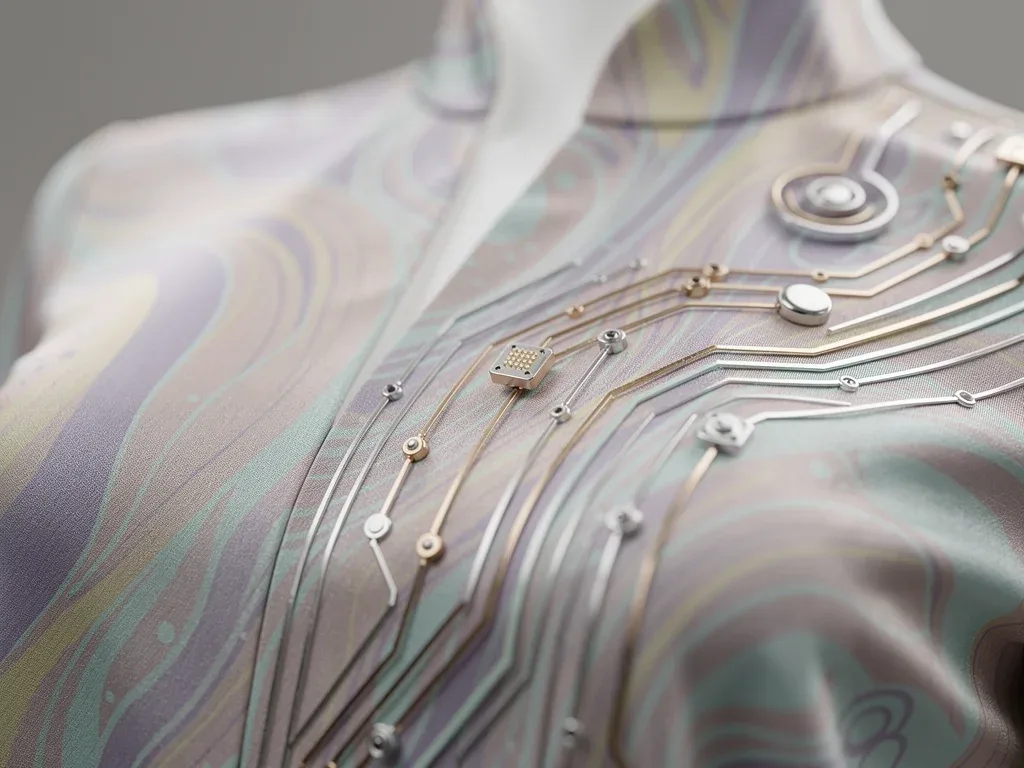
Luxurious Textures and Thoughtful Layering
The emphasis on comfort doesn’t mean a compromise on luxury. Instead, it translates into the use of high-quality, tactile fabrics such as fine knits, silk blends, and innovative natural fibers that feel exquisite against the skin. Thoughtful layering will be key to creating versatile and sophisticated looks.
- Soft, draping fabrics like Tencel, modal, and cashmere blends.
- Multi-functional pieces that can be dressed up or down.
- Layering techniques that add depth and visual interest without bulk.
- Neutral color palettes accented with rich, jewel tones.
This trend encourages a mindful approach to dressing, where each piece is chosen for its comfort, quality, and versatility. It’s about building a wardrobe that feels as good as it looks, reflecting a desire for holistic well-being.
In essence, Spring 2026’s comfort-driven elegance redefines luxury as a feeling of ease and confidence, achieved through thoughtful design, premium materials, and versatile styling. It’s fashion that works with your life, not against it.
The Resurgence of Craftsmanship and Artisanal Details
In a world increasingly dominated by technology, there’s a growing appreciation for the human touch. Spring 2026 will see a significant resurgence in craftsmanship and artisanal details, celebrating traditional techniques and the unique stories behind handmade garments. This trend speaks to a desire for authenticity and connection.
Hand-Embellishments and Unique Textures
Expect to see garments adorned with intricate hand-embroidery, delicate beading, and macramé details. These embellishments add a bespoke quality that mass-produced items cannot replicate. Textures will be rich and varied, created through weaving, knitting, and surface manipulation techniques.
Each piece tells a story of skill and dedication, making it more than just clothing but a wearable work of art. This focus on craftsmanship also supports local artisans and preserves traditional skills that might otherwise be lost.
Cultural Fusion and Global Inspiration
Artisanal trends will draw inspiration from diverse cultures around the globe, leading to a beautiful fusion of styles and techniques. Designers will collaborate with artisan communities, ensuring fair trade practices and celebrating the richness of global textile traditions.
- Intricate patterns inspired by indigenous art forms.
- Natural dyes and sustainable coloring techniques.
n
Hand-loomed fabrics with unique irregularities. Ethical collaborations supporting artisan livelihoods.This cross-cultural exchange fosters a deeper appreciation for heritage and promotes a more inclusive vision of fashion. It’s about celebrating diversity and the shared human experience through the art of clothing.
The emphasis on craftsmanship and artisanal details in Spring 2026 represents a conscious move away from fast fashion, towards pieces that are cherished for their unique beauty, quality, and the human story woven into every stitch. It’s about valuing the process as much as the product.
Nature-Inspired Palettes and Organic Forms
Spring 2026 will deeply embrace the natural world, drawing inspiration from its calming colors, organic shapes, and restorative qualities. This trend reflects a collective desire for harmony, balance, and a reconnection with nature in our increasingly urbanized lives. The aesthetic is serene, earthy, and deeply comforting.
Earthy Tones and Soothing Pastels
The color palette for Spring 2026 will feature a spectrum of earthy tones, including rich clays, moss greens, sandy beiges, and deep ocean blues. These will be complemented by soft, soothing pastels reminiscent of blooming flowers and morning skies, such as lavender, mint, and pale peach.
These colors are not only aesthetically pleasing but also evoke a sense of calm and well-being. They work harmoniously together, allowing for versatile layering and effortless styling that feels both grounded and uplifting.
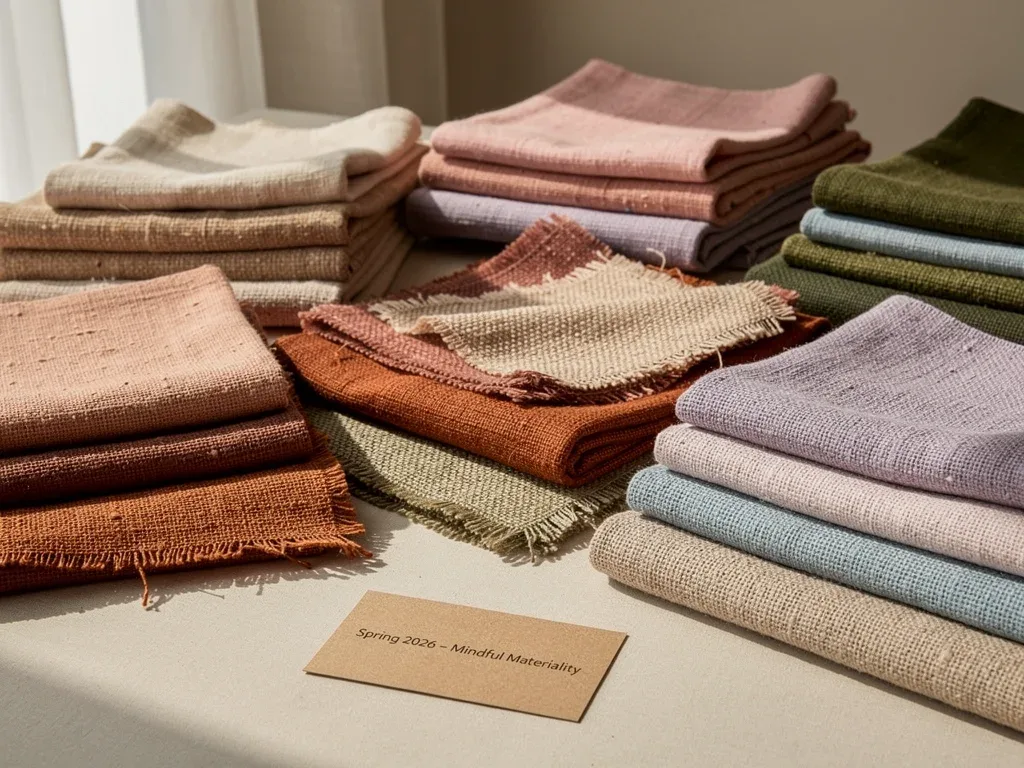
Organic Silhouettes and Botanical Motifs
Garment silhouettes will mimic the gentle curves and flowing lines found in nature, moving away from rigid structures. Expect soft draping, asymmetrical hemlines, and voluminous shapes that embrace the body in a relaxed manner. Botanical motifs, from subtle prints to intricate embroidery, will also be prominent.
- Flowing dresses and skirts that emulate natural movement.
- Architectural elements inspired by organic structures.
- Prints featuring abstract interpretations of flora and fauna.
- Fabrics with natural textures like linen and raw silk.
This trend extends to accessories, with jewelry featuring natural stones and organic forms, and bags crafted from sustainable materials with earthy textures. It’s a holistic approach to dressing that brings the tranquility and beauty of the natural world into our daily lives.
Ultimately, nature-inspired palettes and organic forms for Spring 2026 fashion offer a refreshing antidote to the fast-paced modern world, inviting us to embrace serenity, mindfulness, and a deeper connection to our environment through our personal style.
The Metaverse and Augmented Reality in Fashion Retail
Spring 2026 will solidify the metaverse and augmented reality (AR) as integral components of the fashion retail experience. These technologies are not just for novelty; they are creating new avenues for consumer engagement, brand storytelling, and even entirely new business models. The physical and digital retail worlds are converging.
Immersive Shopping Experiences
Brands will leverage virtual showrooms and metaverse environments to offer immersive shopping experiences. Consumers can explore collections, interact with virtual models, and even socialize with friends in these digital spaces, transcending the limitations of traditional e-commerce.
Augmented reality apps will allow shoppers to virtually place garments in their own homes or see how clothing looks on them in real-time, using their smartphone cameras. This blend of the digital and physical enhances convenience and reduces uncertainty in purchasing decisions.
Digital-First Collections and Phygital Products
The concept of digital-first collections, designed exclusively for virtual environments, will become more commonplace. These collections cater to avatars and digital identities, offering a boundless canvas for creativity without the constraints of physical production.
- Exclusive digital fashion drops in the metaverse.
- Phygital products: physical items bundled with their digital twins.
- Interactive brand activations in virtual worlds.
- Personalized AR filters for social media featuring new collections.
Phygital products, which combine physical and digital components, will also gain traction. Imagine buying a jacket that comes with an NFT granting access to exclusive virtual events or digital content. This creates a more dynamic and engaging relationship between brand and consumer.
In conclusion, the metaverse and augmented reality are transforming fashion retail into a more interactive, entertaining, and personalized experience for Spring 2026. These technologies are not just tools; they are becoming new platforms for fashion expression and commerce, redefining the future of shopping.
| Key Trend | Brief Description |
|---|---|
| Hyper-Personalization | AI-driven styling, virtual try-ons, and digital wardrobes with NFTs for unique expression. |
| Sustainable Innovation | Focus on biodegradable textiles, circular production, and ethical sourcing beyond basic eco-friendly. |
| Comfort-Driven Elegance | Blending loungewear with luxury through fluid silhouettes, adaptive designs, and premium, tactile fabrics. |
| Nature-Inspired Aesthetics | Earthy palettes, soothing pastels, organic forms, and botanical motifs reflecting a desire for harmony. |
Frequently Asked Questions About Spring 2026 Fashion Trends
What role will AI play in Spring 2026 fashion?▼AI will be crucial for hyper-personalization, offering tailored styling recommendations, virtual try-on experiences, and data-driven insights for designers. It enhances the shopping journey and helps consumers make more informed, sustainable choices by predicting preferences and fit.
How is sustainability evolving in Spring 2026 fashion?▼Sustainability in Spring 2026 extends beyond basic eco-friendly materials to comprehensive circularity. This includes biodegradable and bio-engineered textiles, circular production models, and a strong emphasis on ethical sourcing and transparency throughout the supply chain.
Will comfort still be a priority in Spring 2026 fashion?▼Absolutely. Comfort-driven elegance is a key trend, blending loungewear with luxury. Expect fluid silhouettes, adaptive designs, and the use of high-quality, tactile fabrics that prioritize ease without compromising on sophisticated style, allowing for versatile transitions.
What kind of aesthetics can we expect from nature-inspired trends?▼Nature-inspired aesthetics will feature earthy tones like clays, moss greens, and sandy beiges, complemented by soothing pastels. Silhouettes will be organic and flowing, with botanical motifs and natural textures like linen and raw silk, promoting harmony and well-being.
How will the metaverse impact Spring 2026 fashion retail?▼The metaverse and augmented reality will revolutionize retail by offering immersive shopping experiences in virtual showrooms, digital-first collections for avatars, and phygital products. These technologies create new avenues for brand engagement and consumer interaction, blurring physical and digital boundaries.
Conclusion
The landscape of fashion for Spring 2026 is poised for a transformative period, characterized by a dynamic interplay of advanced technology, profound environmental consciousness, and a renewed appreciation for artistry and individual expression. From the intricate algorithms driving hyper-personalization and the expansive possibilities of digital wardrobes to the ethical imperative of sustainable innovation, the industry is recalibrating its priorities. The pervasive desire for comfort-driven elegance reflects a lifestyle shift, where ease and luxury coexist harmoniously, while the resurgence of craftsmanship underscores a yearning for authenticity and human connection. Finally, the deep embrace of nature-inspired palettes and organic forms speaks to a collective longing for serenity and balance, mirroring a broader societal movement towards mindfulness. As these trends converge, Spring 2026 promises not just new styles, but a more thoughtful, interactive, and sustainable approach to fashion that resonates deeply with the values of the modern consumer, ultimately shaping a future where style is both innovative and deeply personal.