Sustainable Style Shift: 3 Eco-Friendly Fashion Trends Gaining Over 20% Traction
Advertisements
The fashion industry is undergoing a significant transformation, with three key sustainable trends—ethical sourcing, innovative materials, and circular fashion models—demonstrating over 20% growth in consumer adoption and industry engagement in the past six months, reflecting a global shift towards environmental consciousness.
The world of fashion is constantly evolving, but few shifts have been as profound and impactful as the current movement towards sustainability. In recent months, we’ve witnessed a remarkable surge in eco-conscious consumer behavior, signaling a definitive sustainable fashion trends. This isn’t just a fleeting moment; it’s a fundamental change in how we perceive, produce, and consume clothing. The statistics speak volumes: three distinct eco-friendly fashion trends have seen over 20% traction in just the last six months, indicating a powerful and growing demand for ethical and environmentally responsible choices. Let’s delve into these pivotal shifts that are reshaping our wardrobes and the industry at large.
The rise of ethical sourcing and transparent supply chains
The journey of a garment from raw material to your closet is often long and complex, involving numerous stages and countless hands. Ethical sourcing and transparent supply chains are becoming paramount as consumers increasingly demand to know the true cost of their clothing, not just in terms of price, but also in human and environmental impact. This trend emphasizes fair labor practices, safe working conditions, and responsible resource management from the very beginning of the production process.
Consumers are no longer satisfied with vague promises; they want verifiable proof that their clothes are made without exploitation and with minimal ecological harm. This heightened awareness has pushed brands to re-evaluate their entire supply chain, from the cotton fields to the cutting room, leading to a significant increase in certifications and public disclosures about manufacturing processes.
Understanding ethical production standards
Ethical production standards encompass a wide range of criteria designed to protect both people and the planet. These standards often involve independent audits and certifications that verify compliance with international labor laws and environmental regulations. For example, ensuring that workers receive a living wage, are not subjected to forced labor, and operate in safe environments are crucial aspects of ethical sourcing. Beyond human welfare, these standards also address environmental concerns, such as water usage, chemical management, and waste reduction.
- Fair wages and safe working conditions for all laborers.
- No child labor or forced labor in any part of the supply chain.
- Respect for workers’ rights, including the right to unionize.
- Responsible management of natural resources and waste.
The impact of supply chain transparency
Transparency in the supply chain means that brands openly share information about where and how their products are made. This includes details about their factories, material suppliers, and even subcontractors. This level of openness builds trust with consumers and holds brands accountable for their ethical claims. The digital age has facilitated this transparency, with many brands using QR codes or online platforms to share detailed product journeys. This shift has not only empowered consumers but has also driven many companies to invest in better traceability systems and forge stronger, more ethical relationships with their suppliers.
The growing emphasis on ethical sourcing and transparent supply chains is a direct response to consumer demand for greater accountability in the fashion industry. This trend, gaining significant traction, is transforming how clothing is produced and consumed, fostering a more responsible and equitable global fashion ecosystem. It represents a foundational change, moving beyond mere aesthetics to the very core values of production.
Innovative materials: beyond organic cotton and recycled polyester
While organic cotton and recycled polyester have been mainstays in sustainable fashion for years, the industry is now witnessing an explosion of truly innovative materials that are pushing the boundaries of eco-friendly design. This trend focuses on developing textiles with significantly lower environmental footprints, often leveraging cutting-edge technology and unconventional sources. From plant-based leathers to biodegradable synthetics, these materials offer exciting new possibilities for fashion that doesn’t cost the Earth.
The drive for material innovation is fueled by a desire to reduce reliance on resource-intensive traditional fabrics, minimize waste, and create products that can eventually return to nature without harm. This includes exploring alternatives to animal products, reducing water and energy consumption in textile production, and developing fabrics with inherent sustainable properties.
Mycelium and fruit-based leathers
One of the most exciting advancements in sustainable materials is the development of leathers derived from fungi (mycelium) and various fruits, such as pineapple leaves and apple waste. These alternatives offer the look and feel of traditional leather without the environmental and ethical concerns associated with animal husbandry and tanning processes. Mycelium-based materials, for instance, can be grown rapidly and require significantly less water and land than animal leather, presenting a truly revolutionary option for accessories and garments.
- Pineapple leaf fibers (Piñatex) offer a durable, versatile leather alternative.
- Mycelium-based materials provide a scalable and biodegradable option.
- Apple waste can be repurposed into a leather-like material, reducing food waste.
Biodegradable and bio-based synthetics
The environmental impact of traditional synthetic fibers like polyester and nylon, particularly microplastic pollution, has spurred innovation in biodegradable and bio-based synthetics. Scientists are developing polymers derived from plant sugars, algae, or even industrial waste that can break down naturally at the end of their life cycle, preventing them from accumulating in landfills and oceans. These new synthetics aim to offer the performance characteristics of traditional synthetics while addressing their ecological drawbacks, marking a significant step forward in sustainable textile technology.
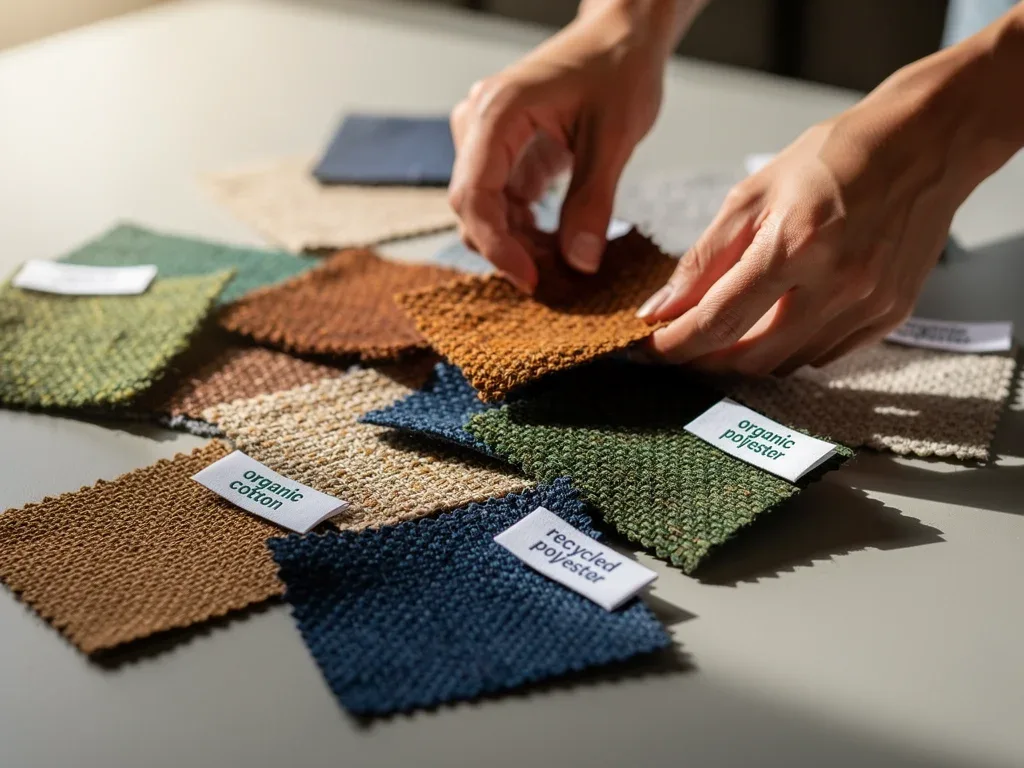
The advent of innovative materials is rapidly transforming the landscape of sustainable fashion, moving beyond simple substitutions to truly redefine what textiles can be. This trend is vital for reducing fashion’s environmental impact, offering consumers choices that align with a future where style and ecological responsibility go hand-in-hand. These advancements signify a future where material science is at the forefront of eco-conscious design.
The circular fashion movement: repair, reuse, recycle
The traditional linear model of fashion—take, make, dispose—is inherently unsustainable. The circular fashion movement directly addresses this by advocating for a system where clothing is designed for durability, repaired when damaged, reused by new owners, and ultimately recycled into new products. This trend aims to keep resources in use for as long as possible, extracting maximum value from them, and then recovering and regenerating products and materials at the end of each service life.
This holistic approach challenges consumers and brands alike to rethink their relationship with clothing, moving away from fast fashion’s disposability towards a more mindful and resource-efficient paradigm. The growing traction of this movement is a clear indicator that both industry and consumers are recognizing the urgent need to minimize waste and conserve resources.
Embracing clothing repair and maintenance
A key pillar of circular fashion is extending the life of garments through repair and proper maintenance. Instead of discarding an item with a broken zipper or a small tear, consumers are increasingly choosing to repair it. This not only reduces waste but also fosters a deeper appreciation for clothing and the craftsmanship involved in its creation. Brands are also stepping up, offering repair services or providing guides and kits to encourage customers to mend their clothes. This cultural shift towards valuing longevity over disposability is a powerful force in the sustainable style movement.
- Learning basic mending skills to extend garment life.
- Utilizing professional repair services for complex issues.
- Caring for clothes properly to prevent premature wear and tear.
The resurgence of secondhand and rental markets
The secondhand market, encompassing thrift stores, consignment shops, and online resale platforms, has exploded in popularity. Buying pre-owned clothing is a highly effective way to participate in circular fashion, giving garments a second life and reducing the demand for new production. Similarly, clothing rental services are gaining traction, especially for special occasions or fast-changing trends, allowing consumers to enjoy variety without the commitment of ownership. These models promote reuse and significantly cut down on textile waste, making fashion more accessible and sustainable.
Innovations in textile recycling
While traditional textile recycling has faced challenges, new technologies are emerging that promise more efficient and effective ways to turn old clothes into new fibers. Chemical recycling processes can break down fabrics into their molecular components, allowing them to be re-spun into high-quality yarns without significant loss of quality. Mechanical recycling is also improving, leading to stronger and more versatile recycled fabrics. These advancements are crucial for closing the loop in fashion, ensuring that discarded textiles can truly become raw material for the next generation of garments, rather than ending up in landfills.
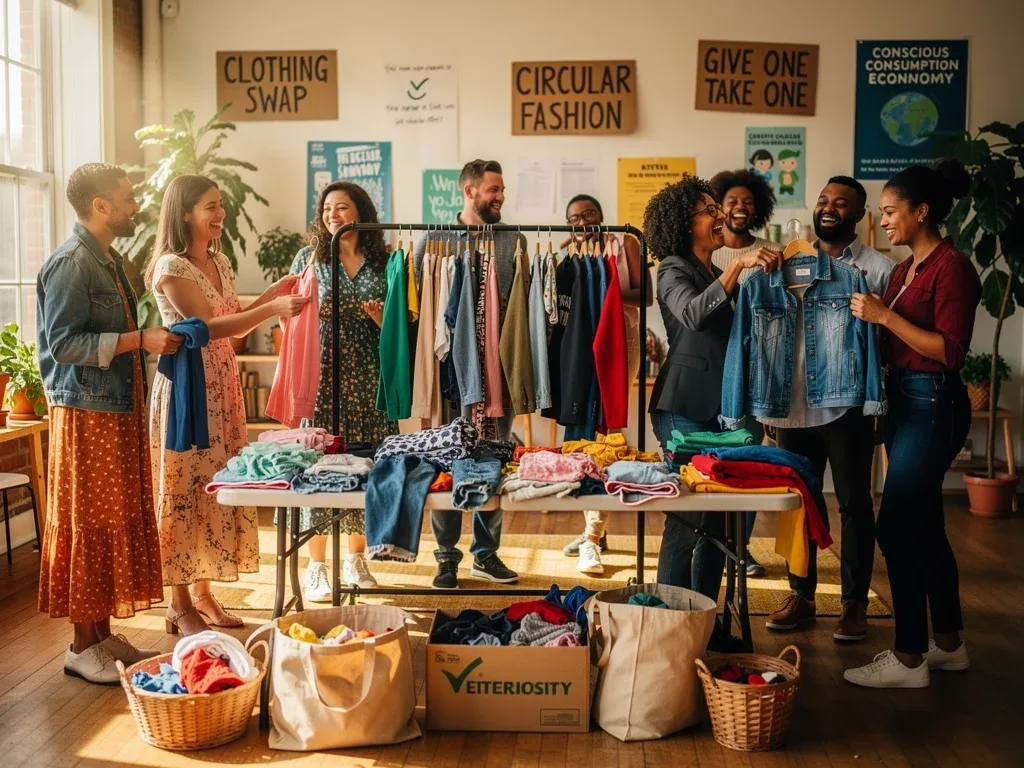
The circular fashion movement is fundamentally altering how we interact with our wardrobes, shifting the focus from constant acquisition to mindful consumption and extended use. By embracing repair, reuse, and advanced recycling, this trend offers a viable path towards a fashion industry that operates in harmony with planetary boundaries, proving that style and sustainability can indeed coexist and thrive.
Consumer awareness and digital empowerment
The dramatic increase in traction for sustainable fashion trends isn’t happening in a vacuum; it’s intricately linked to a surge in consumer awareness and their growing digital empowerment. Today’s consumers are better informed than ever before, thanks to readily available information, social media, and advocacy groups. This awareness translates into demand for ethical products and a willingness to support brands that align with their values. Digital platforms play a crucial role in disseminating information, connecting like-minded individuals, and enabling direct engagement with brands.
This shift isn’t just about individual choices; it’s about a collective consciousness forming around environmental and social responsibility. Consumers are using their purchasing power as a form of activism, driving brands to adopt more sustainable practices or risk losing market share to more ethically aligned competitors. The accessibility of information empowers consumers to make informed decisions.
The role of social media and influencers
Social media has become a powerful catalyst for raising awareness about sustainable fashion. Influencers, activists, and everyday users share information, expose unethical practices, and highlight eco-friendly brands, creating a ripple effect across vast online communities. Platforms like Instagram, TikTok, and YouTube serve as educational hubs where people can learn about textile waste, microplastics, ethical labor, and innovative sustainable solutions. This peer-to-peer dissemination of knowledge builds trust and encourages widespread adoption of sustainable habits.
- Influencers promoting sustainable brands and practices.
- Educational content on ecological impacts of fast fashion.
- Community building around eco-conscious consumption.
Apps and platforms for conscious shopping
A growing ecosystem of apps and online platforms is making sustainable shopping easier and more accessible. These tools allow consumers to research brands’ sustainability ratings, find ethical alternatives, track the environmental impact of their purchases, and even participate in clothing swaps or rental programs. From apps that rate brands based on their labor practices and environmental policies to platforms dedicated to reselling pre-loved items, technology is empowering consumers to make more informed and responsible choices with every purchase, streamlining the process of finding truly sustainable options.
The synergy between increased consumer awareness and digital empowerment is a driving force behind the sustained growth of eco-friendly fashion trends. As information becomes more accessible and communities of conscious consumers grow, the pressure on the fashion industry to adopt sustainable practices will only intensify. This trend highlights a powerful shift in consumer behavior, demonstrating that informed choices are paramount.
Challenges and opportunities for sustainable fashion growth
While the traction gained by eco-friendly fashion trends is highly encouraging, the path to a fully sustainable industry is not without its challenges. Scaling innovative materials, ensuring genuine transparency across complex global supply chains, and shifting deeply ingrained consumer habits all present significant hurdles. However, these challenges also open doors for immense opportunities, fostering innovation, collaboration, and the development of new business models that can thrive in a more responsible future.
Addressing these obstacles requires a multi-faceted approach involving technological advancements, policy changes, and continued consumer education. Brands that successfully navigate these complexities will not only contribute positively to the planet but also gain a significant competitive advantage in a market increasingly valuing sustainability.
Overcoming greenwashing and ensuring authenticity
One significant challenge is combating greenwashing—where brands deceptively market their products as environmentally friendly without genuine sustainable practices. Consumers are becoming more discerning, but robust certification systems and independent verification are crucial to ensure authenticity. The opportunity lies in brands building genuine trust through transparent reporting, third-party audits, and measurable sustainability goals. Authenticity will be a key differentiator in a crowded market, rewarding brands that truly commit to eco-friendly practices.
- Developing universal and rigorous sustainability certifications.
- Educating consumers to identify and avoid greenwashing tactics.
- Brands investing in verifiable, transparent sustainability initiatives.
Scaling sustainable innovations and infrastructure
Many innovative materials and circular economy models are currently niche or operate at a smaller scale. The challenge is to scale these solutions to meet the demands of the global fashion industry. This requires significant investment in research and development, new manufacturing infrastructure, and efficient collection and recycling systems. The opportunity exists for pioneering companies to lead this expansion, creating new industries and job opportunities while driving down the costs of sustainable alternatives, making them more accessible to a broader market and fostering wider adoption.
The journey towards a fully sustainable fashion industry is complex, but the challenges are matched by significant opportunities for growth and positive impact. By addressing issues like greenwashing and scaling innovations, the industry can solidify the gains made by current eco-friendly trends and pave the way for a truly transformative future. This continuous evolution will define the next era of fashion.
The future outlook: sustained growth and mainstream adoption
The remarkable traction seen in ethical sourcing, innovative materials, and circular fashion models over the past six months is not a temporary blip but a strong indicator of the future trajectory of the fashion industry. These trends are poised for sustained growth, moving from niche segments to mainstream adoption, fundamentally reshaping consumer expectations and industry practices. As environmental concerns intensify and social consciousness grows, sustainable fashion will increasingly become the norm, rather than an exception.
This mainstreaming will be driven by a combination of factors: continued consumer demand, technological advancements making sustainable options more affordable and accessible, and regulatory pressures encouraging responsible production. The industry is on the cusp of a profound transformation, where sustainability is woven into the very fabric of fashion.
Technological advancements driving accessibility
Further technological advancements will play a pivotal role in accelerating the adoption of sustainable fashion. Innovations in material science will continue to yield new, high-performance eco-friendly fabrics, while advancements in automation and data analytics will optimize supply chains for efficiency and transparency. Digital platforms will also evolve, offering even more sophisticated tools for conscious consumption, from AI-powered recommendations for ethical brands to virtual try-on experiences that reduce returns and waste. These technological leaps will make sustainable choices easier and more appealing for the average consumer, driving mass market appeal.
- AI and blockchain for enhanced supply chain transparency.
- Advanced biotech for next-generation sustainable materials.
- Digital tools for personalized ethical shopping experiences.
Evolving consumer priorities and market shifts
Consumer priorities are demonstrably shifting, with a growing segment willing to pay a premium for sustainable products and actively seeking out brands that demonstrate genuine commitment to environmental and social responsibility. This evolving mindset will continue to fuel market shifts, as traditional brands adapt their strategies and new, purpose-driven brands emerge. The market will increasingly reward authenticity and penalize those who fail to meet ethical and environmental expectations. This shift in values will solidify sustainable practices as a core business imperative, rather than a mere marketing tactic, ensuring long-term growth.
The future of fashion is undeniably sustainable. The trends we’ve observed gaining significant traction are foundational elements of this transformation, pointing towards an industry that is more responsible, innovative, and aligned with global environmental and social needs. As these eco-friendly practices become mainstream, fashion will not only look good but also do good, making a lasting positive impact on the world.
| Key Trend | Brief Description |
|---|---|
| Ethical Sourcing | Focuses on fair labor, safe conditions, and responsible resource management in the supply chain. |
| Innovative Materials | Development of new eco-friendly textiles like mycelium leather and biodegradable synthetics. |
| Circular Fashion | Promotes repair, reuse, and recycling to extend garment life and minimize waste. |
| Consumer Awareness | Empowered by digital access to information, driving demand for sustainable products. |
Frequently Asked Questions about Sustainable Fashion Trends
What does ethical sourcing mean in fashion?▼Ethical sourcing in fashion refers to ensuring that all stages of garment production, from raw material extraction to manufacturing, adhere to fair labor practices, safe working conditions, and responsible environmental management. It prioritizes human rights and ecological integrity throughout the supply chain.
How are innovative materials changing sustainable fashion?▼Innovative materials are revolutionizing sustainable fashion by introducing eco-friendly alternatives to traditional fabrics. These include plant-based leathers (like mycelium or pineapple fiber), biodegradable synthetics, and textiles made from recycled waste, significantly reducing environmental impact and promoting resource efficiency.
What is the core principle of circular fashion?▼The core principle of circular fashion is to eliminate waste and pollution, circulate products and materials at their highest value, and regenerate natural systems. It encourages designing for durability, promoting repair and reuse, and enabling effective recycling to keep resources in use longer.
Why is consumer awareness crucial for sustainable fashion growth?▼Consumer awareness is crucial because informed buyers drive market demand for sustainable products. When consumers understand the environmental and social impacts of their choices, they exert pressure on brands to adopt ethical practices, accelerating the industry’s shift towards sustainability and responsible production.
What challenges does sustainable fashion still face?▼Sustainable fashion faces challenges such as combating greenwashing, scaling innovative materials to mass production, establishing robust recycling infrastructure, and overcoming ingrained fast fashion habits. These require significant investment, technological advancement, and continued education for both industry and consumers.
Conclusion
The recent surge in traction for ethical sourcing, innovative materials, and circular fashion models underscores a pivotal moment in the industry’s evolution. These three eco-friendly trends, gaining over 20% traction in the last six months alone, are not merely passing fads but foundational shifts reflecting a growing global consciousness. As consumers become more informed and empowered, their demand for responsible fashion will continue to drive innovation and transformation. While challenges remain, the opportunities for a truly sustainable and impactful fashion future are immense, promising a world where style and ecological integrity are inextricably linked, benefiting both people and the planet.