Vintage Reimagined: 3 Classic Fashion Eras Shaping 2026 Styles
Advertisements
The distinct aesthetics of the Roaring Twenties, the free-spirited Sixties, and the bold Eighties are being reinterpreted, offering a fresh take on classic vintage fashion eras and defining contemporary styles in 2026.
In the ever-evolving landscape of style, Vintage Reimagined: 3 Classic Fashion Eras Influencing Contemporary Styles in 2026 is more than a trend; it’s a testament to fashion’s cyclical nature. As we look ahead, the echoes of past decades are not merely being replicated but thoughtfully reinterpreted, offering a fresh and exciting perspective on iconic looks. This exploration delves into how the Roaring Twenties, the Swinging Sixties, and the Glamorous Eighties are shaping the wardrobes of tomorrow, blending nostalgia with innovation.
The Roaring Twenties: A Whisper of Decadence in 2026
The 1920s, an era synonymous with liberation and unprecedented social change, continues to captivate designers and fashion enthusiasts alike. Far from a literal recreation, 2026 sees the essence of this decadent decade re-emerge through subtle details and refined silhouettes, offering a sophisticated nod to the flapper era without losing its contemporary edge. Think less Gatsby costume party and more understated elegance with a hint of rebellious spirit.
Redefining Flapper Silhouettes for Modernity
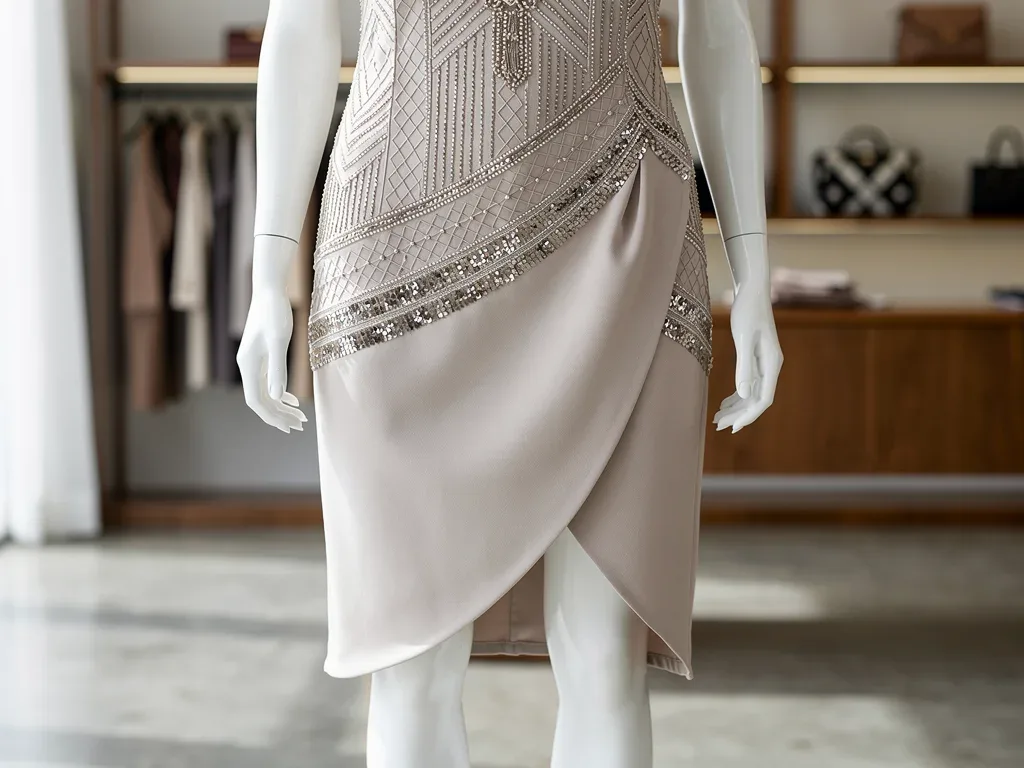
The iconic dropped waistline and relaxed fit of 1920s dresses are being re-envisioned for today’s comfort-driven yet chic aesthetic. Designers are incorporating these elements into more structured garments, creating a balance between the era’s fluid movement and modern tailoring. The result is a look that feels both historical and utterly current, perfect for an elevated casual or semi-formal occasion.
- Relaxed Elegance: Loose-fitting tunics and shift dresses with subtle embellishments.
- Art Deco Accents: Geometric patterns and intricate beadwork on collars, cuffs, and hemlines.
- Luxurious Fabrics: Silks, satins, and velvets reinterpreted with contemporary weaves for fluidity.
This reinterpretation isn’t about rigid adherence to historical accuracy but rather an appreciation for the era’s pioneering spirit in women’s fashion. The freedom of movement that defined the 1920s is translated into versatile pieces that empower the modern woman, allowing her to express individuality with grace and confidence. The focus remains on comfort and effortless style, proving that true elegance transcends time.
The Swinging Sixties: Mod Revival with a Tech Twist
The 1960s, a decade of revolution, youth culture, and bold experimentation, is making a vibrant comeback in 2026, but with a distinct futuristic edge. This revival isn’t just about mini-skirts and psychedelic prints; it’s about infusing the era’s optimistic energy and groundbreaking silhouettes with contemporary materials, sustainable practices, and a touch of technological innovation. The result is a dynamic fusion that feels both nostalgic and forward-thinking.
Geometric Precision Meets Sustainable Innovation
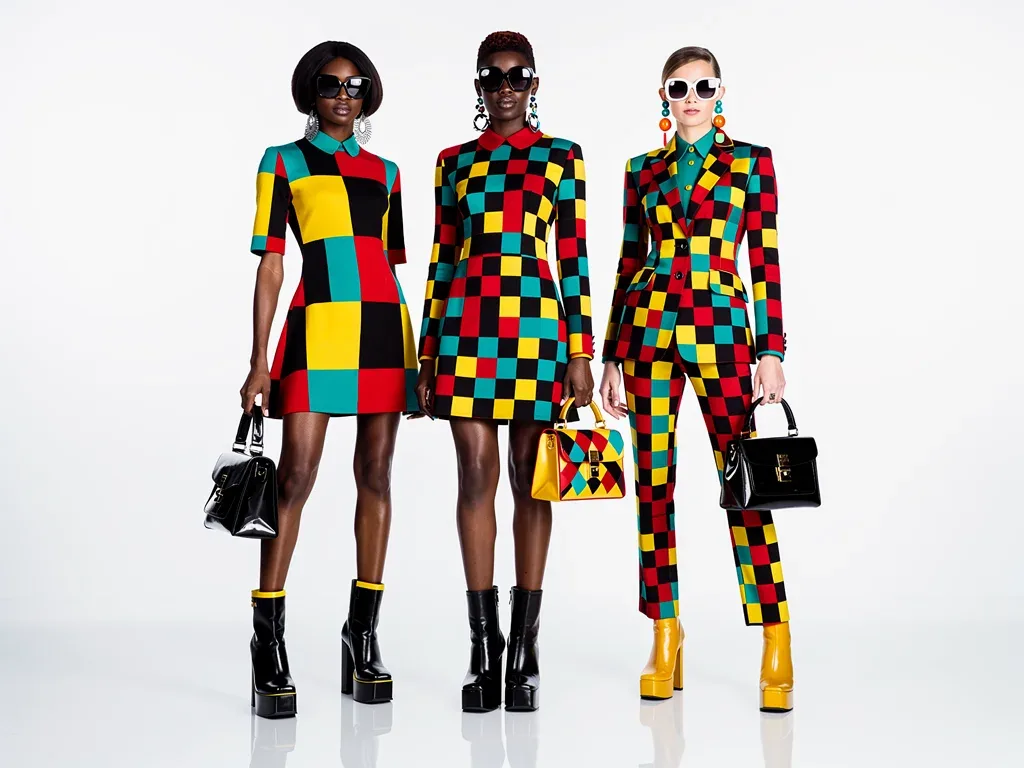
The clean lines, geometric shapes, and vibrant color palettes that defined Mod fashion are being updated with an emphasis on sustainable fabrics and innovative design. Think recycled synthetics, organic cottons, and bio-based materials that offer the same visual impact with a reduced environmental footprint. This blend reflects a growing consumer demand for ethical fashion that doesn’t compromise on style.
- Bold Color Blocking: Bright, contrasting colors in structured garments.
- A-Line Silhouettes: Dresses and skirts with a modern, minimalist interpretation.
- Futuristic Accessories: Oversized sunglasses and chunky footwear reimagined with eco-friendly materials.
The spirit of youthful rebellion and a desire for change, so central to the 1960s, finds its modern equivalent in the push for sustainable and ethically produced fashion. Designers are drawing inspiration from the decade’s iconic imagery while adapting production methods to align with 21st-century values. This reinterpretation ensures that the playful and daring aesthetic of the Sixties remains relevant and impactful in today’s fashion discourse.
The Glamorous Eighties: Power Dressing Reimagined
The 1980s, an era characterized by extravagance, bold statements, and unapologetic self-expression, is experiencing a significant resurgence in 2026, particularly in the realm of power dressing. However, this isn’t a mere recreation of shoulder pads and neon; it’s a sophisticated reinterpretation that embraces the confidence and ambition of the decade while refining its aesthetic for modern sensibilities. The focus is on empowerment through sartorial choices, without the historical excesses.
Structured Silhouettes with a Softened Edge
The exaggerated shoulders and strong lines of 1980s blazers and suits are being re-envisioned with a more refined and wearable approach. While still conveying authority and confidence, the sharp edges are softened, and the proportions are adjusted for contemporary comfort and versatility. This allows for a power aesthetic that is approachable yet impactful, suitable for diverse professional and social settings.
- Tailored Power Suits: Streamlined blazers with subtle shoulder emphasis and wide-leg trousers.
- Statement Sleeves: Puffed or voluminous sleeves, but with more delicate fabrics and controlled volume.
- Luxurious Textures: Rich leathers, silks, and wool blends in sophisticated, often monochromatic, palettes.
The return of 1980s power dressing reflects a renewed focus on individual strength and professional ambition, particularly among women. This reimagined aesthetic celebrates the era’s spirit of breaking barriers while adapting to a more nuanced understanding of femininity and power. It’s about dressing to command respect and express personal conviction, all while maintaining a sleek and contemporary appearance. The influence extends beyond formal wear, impacting even elevated casual styles.
Integrating Vintage Elements into Everyday Wear
The true genius of vintage fashion eras influencing contemporary styles in 2026 lies not in recreating entire historical outfits, but in the seamless integration of key elements into daily wardrobes. This approach allows individuals to express their personal style with unique flair, mixing and matching pieces from different eras to create something entirely new. It’s about curating a look that feels authentic and personal, drawing inspiration from the past without being confined by it.
The Art of Mixing and Matching Eras
A modern wardrobe in 2026 might feature a 1920s-inspired beaded top paired with tailored 1980s-esque trousers, or a 1960s A-line skirt styled with a contemporary minimalist blouse. This eclectic approach celebrates individuality and creativity, encouraging fashion lovers to experiment with different textures, silhouettes, and patterns. The key is to find balance and ensure that the overall look feels cohesive and intentional, rather than disjointed.
- Layering Techniques: Combining delicate vintage-inspired pieces with modern staples.
- Accessory Focus: Using period-specific accessories to elevate a contemporary outfit.
- Color Palette Play: Experimenting with historical color schemes in modern fabrications.
This method of integration highlights the versatility of vintage aesthetics. It demonstrates that fashion is a continuous dialogue between past, present, and future. By selecting specific elements and reimagining their context, individuals can craft a style that is both unique and deeply resonant, reflecting a personal connection to fashion history while embracing the innovations of today.
Sustainable Fashion and Vintage Revival
The resurgence of interest in vintage fashion eras is intrinsically linked to the growing movement towards sustainable fashion. In an industry often criticized for its environmental impact, embracing vintage styles offers a powerful antidote to fast fashion’s disposable culture. By drawing inspiration from past decades, designers and consumers alike are promoting longevity, quality, and a more conscious approach to clothing. This connection is not merely coincidental but a fundamental aspect of the 2026 fashion landscape.
Circular Fashion Practices and Retro Inspiration
Reimagining vintage styles encourages a circular economy in fashion, where garments are valued for their enduring appeal rather than fleeting trends. This means investing in well-made pieces that stand the test of time, drawing inspiration from eras known for quality craftsmanship. It also promotes upcycling and repurposing existing garments, giving them a new life with a contemporary twist. The vintage revival, therefore, becomes a catalyst for more responsible consumption habits.
- Thrift Store Treasures: Discovering authentic vintage pieces to integrate into modern outfits.
- Upcycling Workshops: Learning to transform old garments into new, stylish creations.
- Ethical Sourcing: Supporting brands that prioritize sustainability and vintage-inspired designs.
The ethical implications of fashion choices are becoming increasingly important for consumers. The appeal of vintage styles goes beyond aesthetics; it taps into a desire for authenticity and a reduced environmental footprint. By celebrating the craftsmanship and durability of past eras, the current fashion landscape is not only becoming more stylish but also more responsible, setting a precedent for future trends.
The Future of Vintage: Beyond 2026
As we look beyond 2026, the influence of vintage fashion eras is poised to continue evolving, becoming an even more integral part of the fashion narrative. The cyclical nature of trends, combined with a heightened awareness of sustainability and individuality, ensures that the past will always inform the future. This dynamic relationship suggests a continuous process of rediscovery, reinterpretation, and innovation, making fashion an exciting and ever-changing landscape.
Predicting the Next Wave of Retro Influence
While the Roaring Twenties, Swinging Sixties, and Glamorous Eighties currently hold sway, future fashion cycles may see other eras come to the forefront. Perhaps the romanticism of the Victorian era, the utilitarian chic of the 1940s, or the rebellious spirit of the 1990s will be the next to be reimagined. The key will always be how these historical aesthetics are adapted to meet contemporary needs and values, ensuring relevance and fresh appeal.
- Digital Fashion: Virtual garments incorporating vintage aesthetics for online expression.
- Customization: Personalized vintage-inspired pieces tailored to individual preferences.
- Global Influences: Merging vintage Western styles with traditional designs from other cultures.
The future of vintage fashion is not about strict adherence to historical norms but about a fluid, adaptive approach. It’s about drawing inspiration from the rich tapestry of fashion history and weaving it into the fabric of tomorrow. This ongoing dialogue between past and present ensures that fashion remains a vibrant, meaningful form of self-expression, continually reinventing itself while honoring its heritage.
| Key Era | Contemporary Influence in 2026 |
|---|---|
| The Roaring Twenties | Relaxed silhouettes, subtle Art Deco embellishments, luxurious fabrics with modern comfort. |
| The Swinging Sixties | Mod aesthetics, bold color blocking, A-line shapes, integrated with sustainable materials and tech twists. |
| The Glamorous Eighties | Refined power dressing, structured silhouettes with softened edges, statement sleeves, luxurious textures. |
| Overall Trend | Seamless integration of vintage elements into everyday wear, emphasizing sustainability and individuality. |
Frequently Asked Questions About Vintage Fashion in 2026
How are 1920s fashion elements being reinterpreted in 2026?▼In 2026, 1920s fashion is reinterpreted through relaxed silhouettes, dropped waists, and subtle Art Deco embellishments. Designers use luxurious fabrics like silk and satin but with modern cuts and comfort in mind, avoiding literal costume-like replications. The focus is on understated elegance and fluidity for contemporary wear.
What defines the 1960s influence in contemporary fashion?▼The 1960s influence in 2026 is characterized by mod aesthetics, bold color blocking, and A-line silhouettes. This revival integrates sustainable materials and technological advancements. It’s about capturing the era’s vibrant energy and youthful rebellion with a modern, eco-conscious approach, blending nostalgia with innovation for dynamic styles.
How is 1980s power dressing adapted for 2026?▼1980s power dressing in 2026 is reimagined with refined, structured silhouettes and softened edges. Exaggerated shoulder pads are toned down, and strong lines are balanced with contemporary comfort. The emphasis is on conveying confidence and authority through tailored pieces and luxurious textures, suitable for modern professional and casual settings without being overly ostentatious.
Why is vintage fashion so popular in 2026?▼Vintage fashion is popular in 2026 due to a confluence of factors, including a desire for individuality, a focus on sustainability, and an appreciation for quality craftsmanship. Reinterpreting classic eras allows for unique self-expression and offers an alternative to fast fashion, aligning with conscious consumer values and a rich historical narrative.
How can I incorporate vintage elements into my daily wardrobe?▼To incorporate vintage elements, focus on mixing and matching key pieces rather than entire outfits. Pair a 1920s-inspired beaded top with modern jeans, or a 1960s A-line skirt with a contemporary blouse. Use period-specific accessories like statement earrings or chunky platforms to add a vintage touch to otherwise modern ensembles, creating a balanced and personal style.
Conclusion
The journey through Vintage Reimagined: 3 Classic Fashion Eras Influencing Contemporary Styles in 2026 reveals a fascinating interplay between history and innovation. From the subtle sophistication of the Roaring Twenties to the vibrant energy of the Swinging Sixties and the confident allure of the Glamorous Eighties, these iconic periods continue to inspire and shape our wardrobes. The beauty of this trend lies in its adaptability, allowing for personal expression, sustainable choices, and a continuous evolution of style that honors the past while boldly stepping into the future. Fashion in 2026 is not just about wearing clothes; it’s about telling a story, one stitch at a time, drawing from the timeless narratives of these influential eras.