Robotic Home Cleaning: Top 3 Devices Revolutionizing US Homes 2026
Advertisements
By 2026, robotic home cleaning devices will profoundly transform United States households, offering advanced automation and intelligent solutions for maintaining pristine living spaces with minimal human effort.
The landscape of domestic chores is on the cusp of a profound transformation. Imagine a future where your home maintains its pristine condition with minimal human intervention. This isn’t a distant dream; it’s the imminent reality driven by exciting advancements in robotic technology. In the United States, households are increasingly embracing smart solutions, and by 2026, a select trio of robotic devices is poised to redefine our understanding of cleanliness and convenience. These innovations in home cleaning promise not just efficiency, but a significant enhancement in quality of life, freeing up valuable time for what truly matters.
The rise of intelligent floor care systems
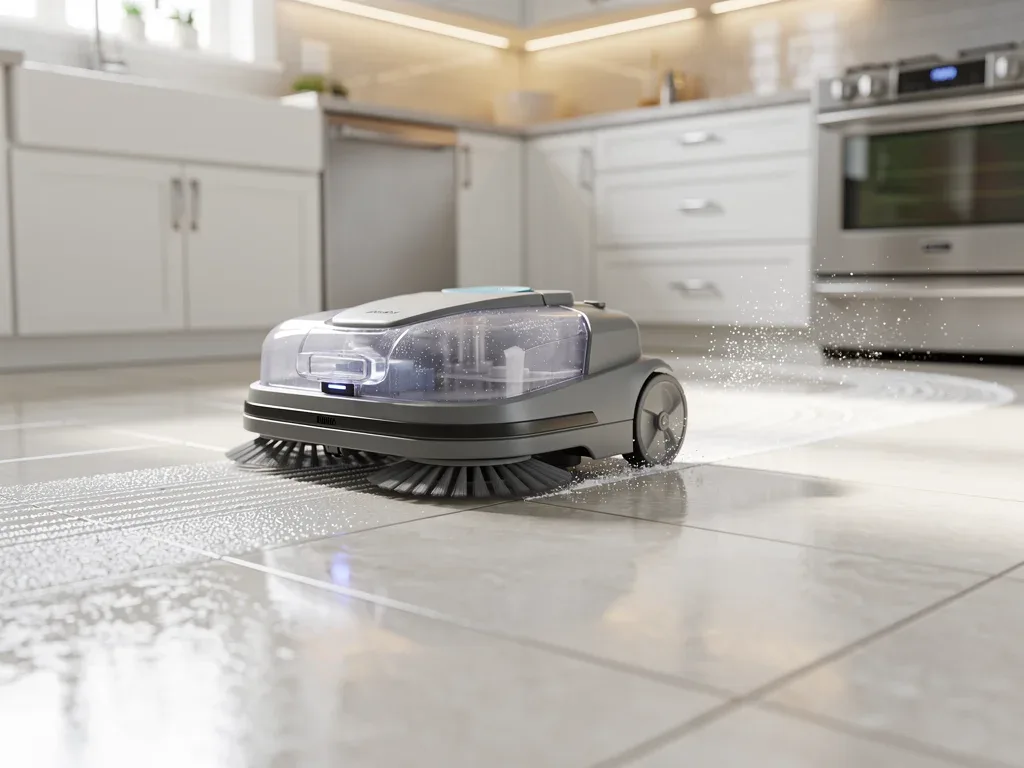
Floor cleaning has long been the cornerstone of household maintenance, often demanding significant time and effort. However, the next generation of robotic floor care systems is set to revolutionize this fundamental task. These aren’t just mere vacuums; they are sophisticated machines equipped with AI, advanced navigation, and multi-surface adaptability, ensuring every inch of your floor is impeccably clean.
The evolution from basic robot vacuums to integrated floor care systems marks a pivotal shift. Manufacturers are focusing on devices that can not only vacuum but also mop, scrub, and even self-empty, providing a truly hands-free experience. This integration of multiple functionalities into a single unit streamlines the cleaning process, making it more efficient and less cumbersome for homeowners.
Advanced navigation and mapping technologies
One of the most significant leaps in robotic floor care is the sophistication of their navigation and mapping capabilities. Early robot vacuums often bumped aimlessly, but today’s models, and certainly those expected by 2026, utilize LiDAR, vSLAM (visual simultaneous localization and mapping), and AI algorithms to create highly accurate maps of your home.
- LiDAR Mapping: Uses laser pulses to measure distances and construct precise 3D maps, enabling efficient path planning and obstacle avoidance.
- vSLAM Integration: Combines visual data from cameras with inertial measurements for robust localization, even in complex environments.
- AI-Powered Adaptation: Robots learn floor layouts, identify high-traffic areas, and adapt cleaning patterns for optimal results over time.
These advanced systems mean robots can clean more thoroughly, avoid getting stuck, and even recognize specific rooms to allow for customized cleaning schedules. Imagine telling your robot to deep clean the kitchen after dinner, and it executes the task flawlessly, navigating around chairs and tables with ease.
Multi-surface cleaning and self-maintenance
The versatility of these new floor care robots extends beyond just navigation. They are designed to handle various floor types, from hardwood and tile to carpets and rugs, adjusting their cleaning methods accordingly. This adaptability is crucial for the diverse flooring found in most American homes.
Furthermore, the focus on self-maintenance features is a game-changer. Self-emptying dustbins that dock into a larger collection station can hold weeks of debris, significantly reducing the frequency of human intervention. Some models even feature self-cleaning mop pads and automatic water refilling, ensuring the device is always ready for its next task.
The integration of these advanced features means that floor cleaning, once a chore, becomes an almost invisible process. Homeowners can set it and forget it, trusting that their floors will be consistently clean, thanks to these intelligent robotic allies.
The emergence of robotic window and surface cleaners
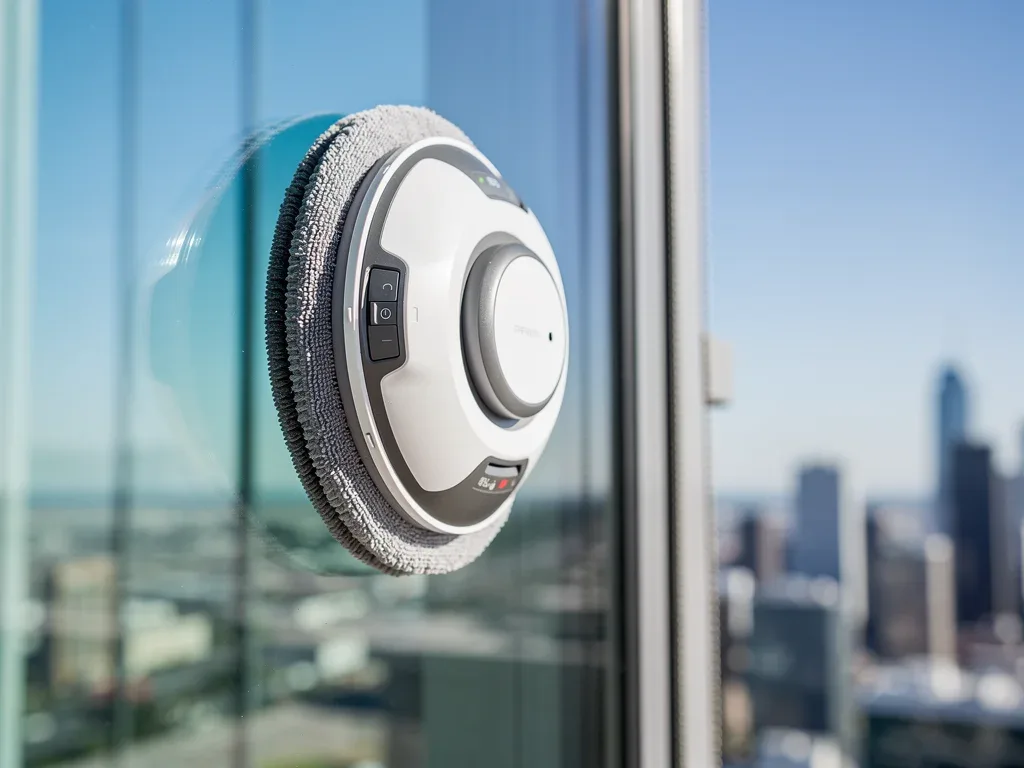
Beyond floors, the challenge of cleaning windows and other vertical surfaces has remained a tedious and often risky endeavor. However, 2026 is expected to see a significant uplift in the capabilities and adoption of robotic window and surface cleaners, making sparkling clean glass and spotless countertops a standard, not a luxury. These devices leverage powerful suction, advanced sensors, and intelligent paths to tackle surfaces that were previously difficult to reach or required manual effort.
These specialized robots are designed to adhere securely to vertical surfaces, employing sophisticated algorithms to detect edges and navigate across glass, mirrors, and even smooth tiles. Their precision and safety features make them indispensable for homes with large windows, glass doors, or expansive tiled areas, eliminating the need for ladders or precarious stretches.
Precision cleaning and safety protocols
The core of robotic window cleaning innovation lies in its ability to deliver streak-free results while ensuring operational safety. Early models sometimes struggled with inconsistent coverage or the risk of falling. However, the 2026 iterations boast enhanced suction mechanisms and advanced sensor arrays to prevent such issues.
- Edge Detection: Utilizes sensors to accurately identify window frames and edges, preventing the robot from falling or getting stuck.
- Path Optimization: Cleans in systematic patterns (e.g., N or Z shapes) to ensure comprehensive coverage and avoid missed spots.
- Power Redundancy: Many models incorporate backup batteries or tethers to provide a safety net in case of power loss, preventing accidental drops.
These features are crucial for building consumer trust and making these devices a viable solution for everyday use. The precision with which they operate means a consistent, high-quality clean every time, without the streaks or missed corners often associated with manual cleaning.
Versatility across various surfaces
While primarily known for windows, the utility of these robotic cleaners extends to other smooth vertical surfaces within the home. Think about large bathroom mirrors, glass shower enclosures, or even smooth kitchen backsplashes. The technology is adaptable, allowing a single device to address multiple cleaning needs.
This versatility makes them an attractive investment for homeowners looking to automate more than just their floors. The ability to tackle high, hard-to-reach areas safely and effectively transforms once-dreaded tasks into effortless routines. As technology progresses, we can expect even greater adaptability to different textures and materials, further expanding their application within the modern smart home.
Automated kitchen and bathroom sanitation robots
Kitchens and bathrooms are arguably the most critical areas for hygiene in any home, often requiring rigorous and frequent cleaning. The next wave of robotic innovation is directly addressing these needs, introducing specialized sanitation robots designed to tackle grime, germs, and odors with unprecedented efficiency. These devices go beyond mere surface cleaning, offering deep sanitation capabilities that contribute significantly to a healthier living environment.
These specialized robots are not just about aesthetics; they are about promoting well-being by reducing pathogens and allergens in the most used and sensitive areas of the home. Their targeted approach to sanitation represents a significant leap forward from general-purpose cleaning robots, promising a new standard of cleanliness for American households.
Targeted sanitation and disinfection
Unlike general-purpose cleaners, these robots are engineered with specific challenges of kitchens and bathrooms in mind. They often incorporate features like UV-C light, steam cleaning, or specialized antimicrobial solutions to effectively disinfect surfaces.
- UV-C Disinfection: Emits ultraviolet-C light to kill bacteria, viruses, and other microorganisms on contact, ideal for germ-prone areas.
- Steam Cleaning: Utilizes high-temperature steam to sanitize surfaces without chemicals, effective against grease and grime.
- Antimicrobial Solutions: Some robots integrate dispensers for EPA-approved cleaning agents, ensuring thorough disinfection of countertops and fixtures.
The ability to deploy these advanced sanitation methods autonomously means that high-touch surfaces, such as sinks, toilets, and kitchen counters, can be regularly disinfected without manual effort, providing peace of mind to homeowners.
Integration with smart home ecosystems
A key differentiator for these advanced sanitation robots by 2026 will be their seamless integration into existing smart home ecosystems. This allows for scheduled cleanings, remote activation, and even condition-based operations (e.g., cleaning after a certain number of uses or detecting spills). Compatibility with voice assistants like Alexa or Google Assistant will make managing these devices incredibly convenient.
This level of integration transforms individual cleaning tasks into a cohesive, automated system. Your kitchen robot could activate after your smart oven signals the end of cooking, or your bathroom robot could run a disinfection cycle after detecting extended use. This intelligent automation maximizes hygiene while minimizing user effort.
The convergence of AI and robotics in home cleaning
The true power behind the innovations in home cleaning by 2026 lies in the sophisticated convergence of Artificial Intelligence (AI) and robotics. These aren’t just machines following pre-programmed paths; they are learning, adapting, and interacting with their environment in increasingly intelligent ways. This AI-driven evolution is elevating robotic cleaners from mere gadgets to indispensable household partners, capable of understanding and responding to the dynamic needs of a home.
AI algorithms are becoming the brain of these robotic systems, enabling them to process vast amounts of data from their sensors, make autonomous decisions, and continuously improve their performance over time. This cognitive leap is what differentiates the next generation of cleaners from their predecessors, making them truly smart.
Predictive cleaning and personalized routines
One of the most exciting applications of AI in robotic cleaning is its ability to learn and predict cleaning needs. By analyzing usage patterns, environmental factors, and even user preferences, robots can anticipate when and where cleaning is most needed.
- Usage Pattern Analysis: Robots learn peak activity times and areas, prioritizing cleaning tasks accordingly (e.g., more frequent kitchen cleaning after meals).
- Environmental Sensor Data: Integration with air quality sensors or allergen detectors can trigger cleaning cycles when dust levels are high or pollen counts rise.
- User Preference Learning: Over time, robots adapt to user feedback, refining their cleaning intensity, schedule, and preferred areas.
This predictive capability means a truly personalized cleaning experience, where the robot acts proactively rather than reactively. It’s about maintaining a consistently clean home without the homeowner having to constantly monitor or instruct the devices.
Enhanced interaction and seamless integration
AI also facilitates more natural and intuitive interactions between humans and robots. Voice commands, gesture recognition, and even proactive suggestions will become standard. Furthermore, the seamless integration of these robots into broader smart home ecosystems will create a truly interconnected living space.
Imagine your smart home system detecting you’ve left for work, and your robotic cleaners automatically begin their tasks, coordinating their movements to avoid collisions and optimize efficiency. This level of automation and intelligence promises not just cleaner homes, but smarter, more responsive living environments that cater to the unique rhythms of each household.
Addressing challenges and future outlook
While the future of robotic home cleaning looks incredibly promising, there are still challenges to address to ensure widespread adoption and optimal performance. These include improving battery life, enhancing obstacle avoidance in complex environments, and ensuring data privacy and security. However, ongoing research and development are rapidly overcoming these hurdles, paving the way for a truly transformative impact on United States households by 2026.
The industry is committed to continuous improvement, driven by consumer demand for more efficient, autonomous, and secure smart home solutions. As these challenges are met, the capabilities of robotic cleaners will only expand, making them even more indispensable.
Battery life and power management
Current robotic cleaners, particularly those with advanced features like mapping and scrubbing, can sometimes be limited by battery life. Future innovations will focus on more energy-dense batteries, faster charging capabilities, and intelligent power management systems that optimize cleaning routes to conserve energy. This means longer operational times and fewer interruptions for recharging.
Wireless charging pads and even solar-powered options for outdoor or window cleaning robots could become more prevalent, further enhancing their autonomy. The goal is for robots to complete their tasks without requiring human intervention for power management, making their operation truly seamless.
Advanced obstacle avoidance and adaptability
While navigation has significantly improved, complex home environments with constantly changing layouts (e.g., toys on the floor, moved furniture) still pose challenges. Future robots will feature even more sophisticated sensor arrays and AI to better interpret dynamic environments, distinguishing between temporary clutter and permanent obstacles.
This includes improved object recognition for delicate items, enhanced cliff detection, and the ability to navigate over varying thresholds and floor transitions more smoothly. The aim is to create robots that are robust enough to handle the unpredictable nature of real-world homes without getting stuck or damaging property.
Data privacy and security concerns
As robotic cleaners become more intelligent and integrated into smart home ecosystems, they collect vast amounts of data about our living spaces. Ensuring the privacy and security of this data is paramount. Manufacturers are investing heavily in robust encryption, secure cloud storage, and transparent data usage policies.
Consumers will have greater control over what data is collected and how it’s used, with clear opt-in and opt-out options. Trust in these devices hinges on their ability to protect sensitive information, ensuring that the convenience they offer doesn’t come at the cost of privacy.
The economic and lifestyle impact
The widespread adoption of these advanced robotic cleaning devices in United States households by 2026 will have a multifaceted impact, extending beyond just cleaner homes. It will redefine how we allocate our time, influence home design, and even create new economic opportunities. This shift represents a significant step towards a more automated and efficient domestic future, offering tangible benefits that resonate with modern lifestyles.
From freeing up hours previously spent on chores to potentially reducing household energy consumption through optimized cleaning, the implications are far-reaching. Understanding these broader impacts helps to contextualize the true value of these technological advancements.
Time saving and improved quality of life
Perhaps the most immediate and tangible benefit of robotic home cleaning is the significant amount of time it saves homeowners. Hours spent vacuuming, mopping, and scrubbing can be redirected towards personal pursuits, family time, or professional development. This reclaimed time contributes directly to an improved quality of life, reducing stress and enhancing overall well-being.
For busy professionals, parents, or individuals with mobility challenges, these robots are not just conveniences; they are essential tools that enable a higher standard of living without the physical strain of manual chores. The consistent cleanliness also fosters a more pleasant and hygienic home environment, further contributing to comfort and health.
Impact on home design and maintenance
As robotic cleaners become more common, their capabilities will likely influence future home design. Architects and interior designers may begin to incorporate features that optimize robotic operation, such as integrated charging stations, minimal thresholds between rooms, and materials that are easily maintained by autonomous devices.
Furthermore, the maintenance of these robots themselves will become an industry. Specialized repair services, accessory markets (e.g., replacement brushes, filters), and software updates will create new economic sectors. The longevity and upgradability of these devices will be key factors in their long-term sustainability and consumer appeal.
Navigating the future of smart cleaning
The landscape of home cleaning is evolving at an unprecedented pace, driven by relentless innovation in robotics and artificial intelligence. By 2026, United States households will experience a new era of cleanliness, powered by intelligent devices that seamlessly integrate into daily life. From sophisticated floor care systems that vacuum and mop with unparalleled precision, to specialized robots tackling windows and sanitizing kitchens and bathrooms, the future promises a significant reduction in household chore burden.
These devices are not just about automation; they represent a fundamental shift towards smarter, healthier, and more convenient living. While challenges in battery life, obstacle avoidance, and data security are continually being addressed, the trajectory is clear: robotic cleaners are becoming indispensable allies in maintaining a pristine home. The economic and lifestyle impacts are profound, freeing up valuable time and influencing future home design and maintenance practices. Embracing these technological marvels means stepping into a future where a clean home is an effortless reality.
| Key Innovation | Brief Description |
|---|---|
| Intelligent Floor Care Systems | Advanced robots for multi-surface vacuuming and mopping, featuring AI navigation and self-emptying capabilities. |
| Robotic Window & Surface Cleaners | Specialized robots for streak-free cleaning of windows, mirrors, and vertical surfaces with enhanced safety. |
| Automated Sanitation Robots | Targeted devices for deep cleaning and disinfection of kitchens and bathrooms using UV-C or steam. |
| AI & Robotics Convergence | Integration of AI for predictive cleaning, personalized routines, and seamless smart home ecosystem integration. |
Frequently asked questions about robotic cleaning innovation
What are the primary benefits of adopting robotic home cleaning devices by 2026?▼The main benefits include significant time savings, enhanced convenience, and a consistently cleaner, more hygienic living environment. These devices reduce the physical burden of chores, allowing homeowners to focus on other activities while ensuring their homes remain pristine with minimal effort.
How do these new robotic cleaners differ from older models?▼Newer models feature advanced AI, sophisticated navigation (like LiDAR and vSLAM), multi-surface adaptability, and self-maintenance capabilities such as self-emptying and self-cleaning. They offer targeted sanitation for specific areas like kitchens and bathrooms, providing a much deeper and more autonomous clean than predecessors.
Will robotic window cleaners be safe and effective for high-rise apartments?▼Yes, by 2026, robotic window cleaners are expected to be highly safe and effective for high-rise use. They incorporate advanced edge detection, powerful suction, and redundant safety mechanisms like backup batteries and tethers to prevent falls, ensuring streak-free cleaning even on tall buildings.
What role does AI play in the next generation of robotic home cleaners?▼AI is crucial for predictive cleaning, personalized routines, and seamless smart home integration. It enables robots to learn home layouts, anticipate cleaning needs based on usage, and adapt their cleaning patterns for optimal efficiency, making them truly intelligent assistants rather than simple automated tools.
Are there any significant challenges still facing robotic home cleaning adoption?▼Key challenges include further improving battery life, enhancing obstacle avoidance in highly dynamic environments, and ensuring robust data privacy and security for the information collected. Manufacturers are actively addressing these areas to build greater consumer trust and expand market penetration.
Conclusion
The year 2026 stands as a landmark for innovations in home cleaning, promising a future where robotic devices significantly ease the burden of household chores across United States households. From sophisticated floor care systems that vacuum and mop with unparalleled precision, to specialized robots tackling windows and sanitizing kitchens and bathrooms, the evolution of these technologies is set to redefine our daily lives. These intelligent assistants, powered by increasingly sophisticated AI, offer not just convenience but a pathway to healthier, more efficient living spaces. As these robots become more integrated and adept, they will not only save invaluable time but also fundamentally reshape our expectations of home maintenance, allowing us to enjoy cleaner homes with unprecedented ease.