Maximalism vs. Minimalism: 2026 Fashion Trend Analysis
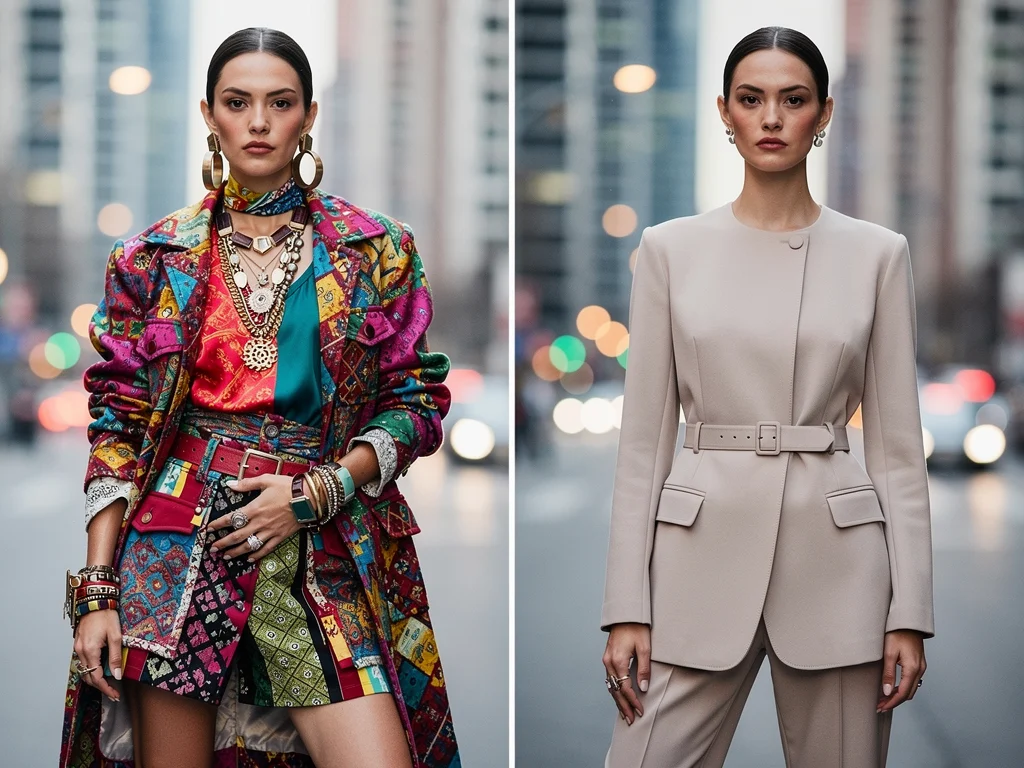
The 2026 fashion scene in the US is a dynamic battleground between the opulent allure of maximalism and the understated charm of minimalism, each aesthetic vying for consumer preference and shaping the industry’s future direction.
The fashion world is a pendulum, constantly swinging between extremes. In 2026, the United States is witnessing a fascinating stylistic showdown: Maximalism vs. Minimalism: A 2026 Fashion Trend Analysis on Which Aesthetic is Winning Over US Shoppers. This ongoing debate transcends mere clothing choices; it reflects broader cultural shifts and individual expressions, dictating not just what we wear, but how we perceive style itself.
The Resurgence of Maximalism: A Bold Statement
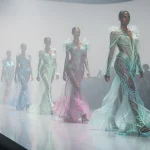
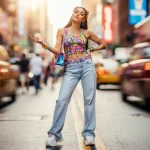
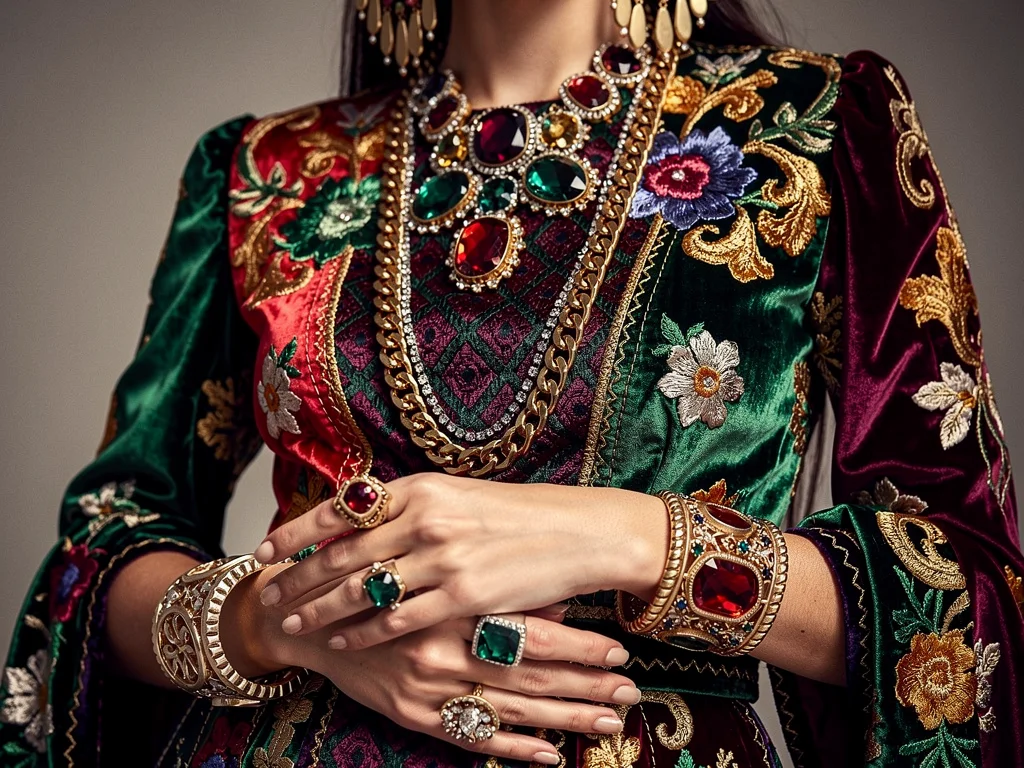
Maximalism, often characterized by its ‘more is more’ philosophy, is making a significant comeback. This aesthetic celebrates extravagance, layering, vibrant colors, clashing patterns, and an abundance of accessories. It is a direct rejection of subtlety, inviting wearers to embrace their most flamboyant selves and express individuality without reservation.
In 2026, maximalism isn’t just about piling on; it’s about curated chaos. Shoppers are gravitating towards unique pieces that tell a story, fostering a sense of personal narrative through their attire. This trend is particularly evident in how consumers mix vintage finds with contemporary designer items, creating truly one-of-a-kind looks.
Key Elements Defining 2026 Maximalism
- Layering Extravaganza: Think multiple textures, varying lengths, and unexpected combinations like a silk slip dress over a patterned turtleneck.
- Bold Prints and Patterns: Animal prints, florals, geometric designs, and abstract art are often mixed and matched within a single outfit.
- Statement Accessories: Oversized jewelry, embellished handbags, and elaborate headpieces are crucial for completing the maximalist ensemble.
- Rich Color Palettes: Saturated hues, jewel tones, and unexpected color blocking dominate, moving away from muted or neutral tones.
The appeal of maximalism lies in its ability to empower. It allows individuals to break free from conventional fashion rules, fostering a playful and experimental approach to dressing. This freedom resonates deeply with a generation that values authenticity and self-expression above all else, making it a strong contender in the 2026 fashion landscape.
Minimalism’s Enduring Appeal: Simplicity and Sophistication
On the other side of the spectrum, minimalism continues to hold a powerful sway over US shoppers. Defined by clean lines, monochromatic palettes, high-quality fabrics, and a focus on functionality, minimalism offers a serene counterpoint to maximalism’s exuberance. Its enduring appeal lies in its timelessness and the sophisticated ease it brings to personal style.
For 2026, minimalist fashion is evolving beyond mere basic staples. It’s about thoughtful consumption and investing in versatile pieces that transcend fleeting trends. Consumers are increasingly aware of sustainability and ethical production, making the ‘buy less, choose well’ mantra of minimalism more relevant than ever. This approach emphasizes longevity and a refined aesthetic.
Characteristics of Contemporary Minimalism
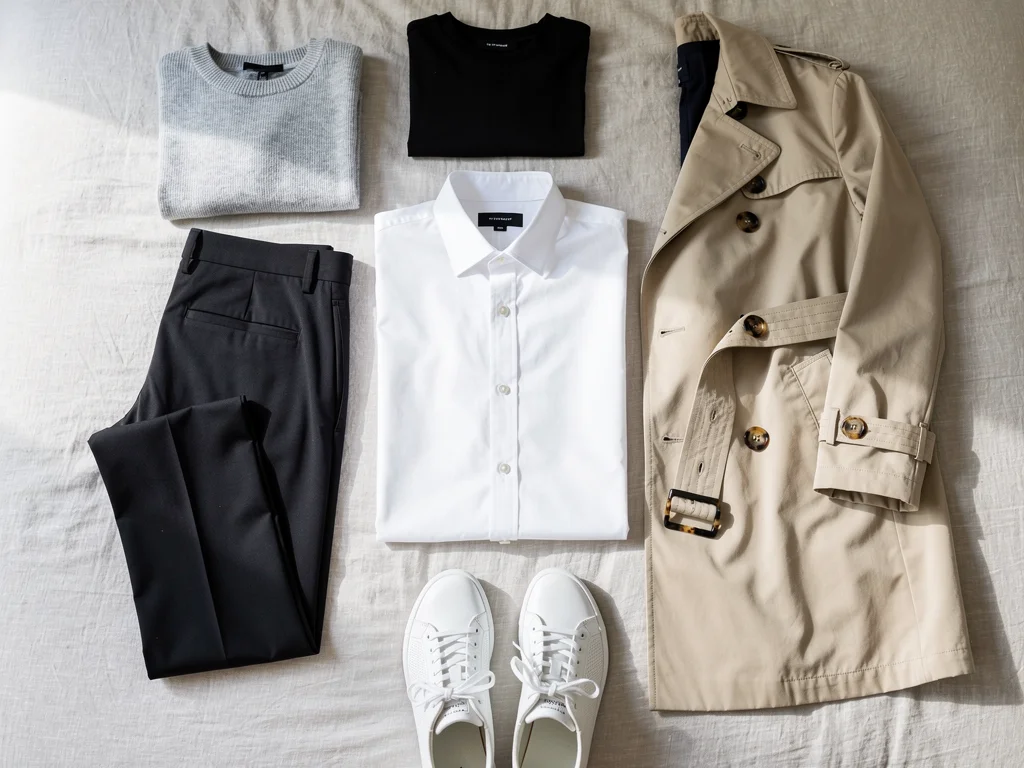
- Neutral Color Schemes: Black, white, grey, beige, and navy form the backbone of a minimalist wardrobe, allowing for effortless mixing and matching.
- Clean Silhouettes: Uncomplicated cuts, tailored pieces, and an emphasis on drape and fit create a polished and streamlined look.
- High-Quality Fabrics: Investment in natural fibers like silk, wool, linen, and organic cotton is paramount for durability and luxurious feel.
- Subtle Detailing: Instead of overt embellishments, focus is on architectural details, subtle textures, and impeccable craftsmanship.
Minimalism provides a sense of calm and order in an increasingly chaotic world. It champions the idea that true style comes from intentionality and a deep understanding of one’s personal aesthetic, rather than chasing every new trend. This philosophy continues to attract shoppers seeking elegance and a conscious approach to fashion.
Consumer Psychology: Why Shoppers Choose One Over the Other
The choice between maximalism and minimalism is rarely arbitrary; it’s deeply rooted in consumer psychology, reflecting individual values, lifestyles, and even emotional states. Understanding these underlying motivations is key to discerning which aesthetic gains traction in 2026. Personal expression plays a significant role in this decision-making process.
Maximalism often appeals to those who seek to stand out, to make an immediate impact, or to externalize an internal vibrancy. It can be a form of joyful rebellion against conformity, a way to signal creativity and an adventurous spirit. For these shoppers, fashion is a powerful tool for storytelling and identity formation. They embrace the visual noise as a celebration of life.
Conversely, minimalism attracts individuals who value discretion, order, and a sense of calm. These shoppers often seek clothing that simplifies their lives, offering versatility and reducing decision fatigue. For them, elegance is found in restraint, and confidence stems from an understated presence. Minimalism can also be a reflection of a conscious lifestyle, prioritizing sustainability and thoughtful consumption over transient trends. It represents a desire for clarity and purpose.
Influencing Factors on Consumer Choice
- Social Media Impact: Instagram and TikTok heavily influence both trends, with maximalists showcasing elaborate outfits and minimalists promoting capsule wardrobes.
- Economic Climate: Times of uncertainty can lead to a desire for comfort and stability (minimalism) or a need for escapism and joy (maximalism).
- Personal Identity: Fashion is a core component of self-expression, allowing individuals to communicate their values and personality.
- Sustainability Concerns: The slow fashion movement aligns strongly with minimalist principles, encouraging thoughtful purchases and longevity.
Ultimately, the preference for either maximalism or minimalism is a personal journey, influenced by a complex interplay of internal and external factors. As 2026 unfolds, these psychological drivers will continue to shape the purchasing decisions of US shoppers, determining the prevailing aesthetic.
The Blurring Lines: Hybrid Aesthetics and Evolving Definitions
While maximalism and minimalism are often presented as diametrically opposed, the reality of 2026 fashion is far more nuanced. We are increasingly seeing a blurring of lines, with hybrid aesthetics emerging that borrow elements from both camps. This evolution suggests that rigid adherence to one style is becoming less common, replaced by a more fluid and personalized approach to dressing.
Consider ‘quiet luxury,’ a trend that embraces minimalist silhouettes and high-quality materials but often incorporates subtle, luxurious details or textures that hint at maximalist opulence without being overt. Similarly, ‘eclectic minimalism’ might feature a minimalist base outfit punctuated by one or two carefully chosen maximalist accessories, adding a touch of personality without overwhelming the look.
This hybridization reflects a broader shift in consumer behavior, where individuality is prized above strict adherence to labels. Shoppers are becoming adept at curating their own unique styles, drawing inspiration from various sources and adapting trends to suit their personal taste and lifestyle. The goal is no longer to fit into a predefined category, but to create a distinctive aesthetic.
This fluidity is particularly evident in the way accessories are being used. A minimalist outfit can be transformed into something more maximalist with the addition of bold jewelry, a statement bag, or intricately patterned shoes. Conversely, a maximalist ensemble can be toned down by selecting accessories that are clean and understated, creating a balanced visual appeal. The power lies in the wearer’s ability to mix and match.
The fashion industry itself is responding to this trend by offering collections that cater to both extremes and the space in between. Designers are experimenting with pieces that can be styled in multiple ways, encouraging consumers to be creative and build versatile wardrobes. This adaptability is becoming a hallmark of 2026 fashion, providing shoppers with more freedom than ever before.
The Role of Social Media and Influencers in Shaping 2026 Trends
Social media platforms like Instagram, TikTok, and Pinterest continue to be unparalleled drivers of fashion trends, significantly influencing whether maximalism or minimalism gains the upper hand among US shoppers in 2026. Influencers, micro-influencers, and everyday users alike play a crucial role in disseminating and popularizing these aesthetics, often dictating what is considered ‘in’ or ‘out’.
Maximalism thrives on visual impact, making it a perfect fit for image- and video-centric platforms. Influencers showcasing vibrant, layered outfits, intricate details, and bold color combinations often generate high engagement, inspiring their followers to experiment with similar styles. The ‘get ready with me’ (GRWM) format frequently features maximalist styling, demonstrating how to build complex, expressive looks.
Conversely, minimalism, while less overtly flashy, also finds a strong voice on social media. Influencers focusing on capsule wardrobes, sustainable fashion, and timeless elegance resonate with an audience seeking practical, long-lasting style solutions. ‘Clean girl aesthetic’ and ‘elevated basics’ hashtags highlight the appeal of polished, understated looks, often emphasizing quality over quantity and mindful consumption. These content creators provide inspiration for creating a cohesive and sophisticated wardrobe with fewer items.
The algorithms of these platforms amplify trends, creating echo chambers where certain styles gain immense visibility. Brands are keenly aware of this dynamic, often partnering with influencers who embody either maximalist or minimalist aesthetics to reach targeted consumer segments. User-generated content also plays a vital role, as shoppers share their interpretations of these trends, further solidifying their presence in the mainstream fashion consciousness. This digital landscape ensures that both aesthetics remain highly visible and influential.
Sustainability and Ethical Considerations: Impact on Aesthetic Choices
In 2026, sustainability and ethical production are no longer niche concerns but central considerations for a growing segment of US shoppers. These values are increasingly influencing aesthetic choices, playing a significant role in the ongoing debate between maximalism and minimalism. Consumers are more informed about the environmental and social impacts of their clothing purchases, leading to more conscious decisions.
Minimalism, with its emphasis on quality over quantity and timeless design, naturally aligns with sustainable practices. The concept of a capsule wardrobe, where a few versatile pieces are mixed and matched, reduces the need for frequent purchases and minimizes textile waste. Brands promoting minimalist aesthetics often highlight their commitment to ethical sourcing, durable materials, and transparent supply chains, appealing to eco-conscious consumers. This approach fosters a mindset of investment dressing, where items are cherished and worn for years.
While maximalism might seem at odds with sustainability due to its ‘more is more’ ethos, a sustainable maximalist movement is also gaining traction. This involves embracing vintage and secondhand pieces, upcycling existing garments, and supporting designers who use deadstock fabrics or ethical production methods. The focus shifts from consuming new items excessively to curating a unique, expressive wardrobe with a smaller environmental footprint. This approach celebrates creativity and individuality while still being mindful of the planet.
The fashion industry is responding to these demands by integrating sustainable practices into both maximalist and minimalist collections. Brands are exploring innovative materials, circular design principles, and repair services to extend the life of garments. For US shoppers, the decision between maximalism and minimalism is not just about personal style but also about aligning their fashion choices with their ethical convictions. This evolving consciousness ensures that both aesthetics must adapt to meet the growing demand for responsible fashion. The future of fashion in 2026 is inherently tied to these ethical considerations, pushing brands and consumers alike toward more thoughtful practices.
| Key Aesthetic | Brief Description |
|---|---|
| Maximalism | Emphasizes ‘more is more’ with bold colors, prints, layers, and extensive accessorizing for strong self-expression. |
| Minimalism | Focuses on clean lines, neutral palettes, high-quality fabrics, and functional, timeless pieces for sophisticated simplicity. |
| Hybrid Trends | Blended styles like ‘quiet luxury’ or ‘eclectic minimalism’ combine elements from both, reflecting personalized fashion. |
| Influencer Impact | Social media and key influencers significantly shape trend adoption and consumer preference for either aesthetic. |
Frequently Asked Questions About 2026 Fashion Trends
Maximalism in 2026 champions ‘more is more’ with bold prints, layers, and accessories, celebrating individual expression. Minimalism, conversely, focuses on ‘less is more’ through clean lines, neutral colors, and high-quality, functional pieces for timeless sophistication.
The landscape is quite balanced, with both aesthetics having strong followings. Many shoppers are also adopting hybrid styles, blending elements from both to create personalized looks. The choice often depends on individual values, lifestyle, and emotional expression rather than a singular dominant trend.
Sustainability strongly influences both. Minimalism naturally aligns with conscious consumption, emphasizing durable, versatile items. Maximalism adapts through vintage finds, upcycling, and supporting ethical brands that use sustainable materials, promoting unique style with a reduced environmental footprint.
Influencers are crucial for trend dissemination. Maximalist influencers showcase vibrant, layered outfits, while minimalist ones promote capsule wardrobes and timeless elegance. Both leverage platforms like TikTok and Instagram to inspire and guide consumer choices, amplifying the visibility of each aesthetic.
Absolutely. Hybrid aesthetics are increasingly popular in 2026. For example, a minimalist base outfit can be elevated with a statement maximalist accessory, or a maximalist look can be toned down with simpler elements, allowing for creative and personalized styling.
Conclusion
As 2026 unfolds, the fashion landscape in the United States remains a compelling interplay between the bold declaration of maximalism and the refined simplicity of minimalism. While both aesthetics possess distinct appeals rooted in consumer psychology, lifestyle, and ethical considerations, the prevailing narrative points towards a more fluid and personalized approach to style. Shoppers are increasingly empowered to blend elements from both worlds, creating hybrid looks that truly reflect their individuality. This dynamic evolution suggests that rather than one aesthetic definitively ‘winning,’ the future of fashion lies in a rich tapestry of choices, where personal expression and conscious consumption guide the way, making style more diverse and meaningful than ever before.
Related Posts: